English






U.S. Stocks Enter Autumn Chill: Dual Blow from Recession Fears and the 'September Effect'!
U.S. Stocks Enter Autumn Chill: Dual Blow from Recession Fears and the 'September Effect'!

 11935
119351. Uncertainty of the US stock market's rebound momentum
Recently, the rebound momentum of the U.S. stock market is facing multiple challenges and has begun to show signs of wavering. In early August, the stock market fell sharply due to a sharp sell-off triggered by concerns about a recession in the United States. This sudden change made many investors who were accustomed to the one-way rise of the stock market uneasy.
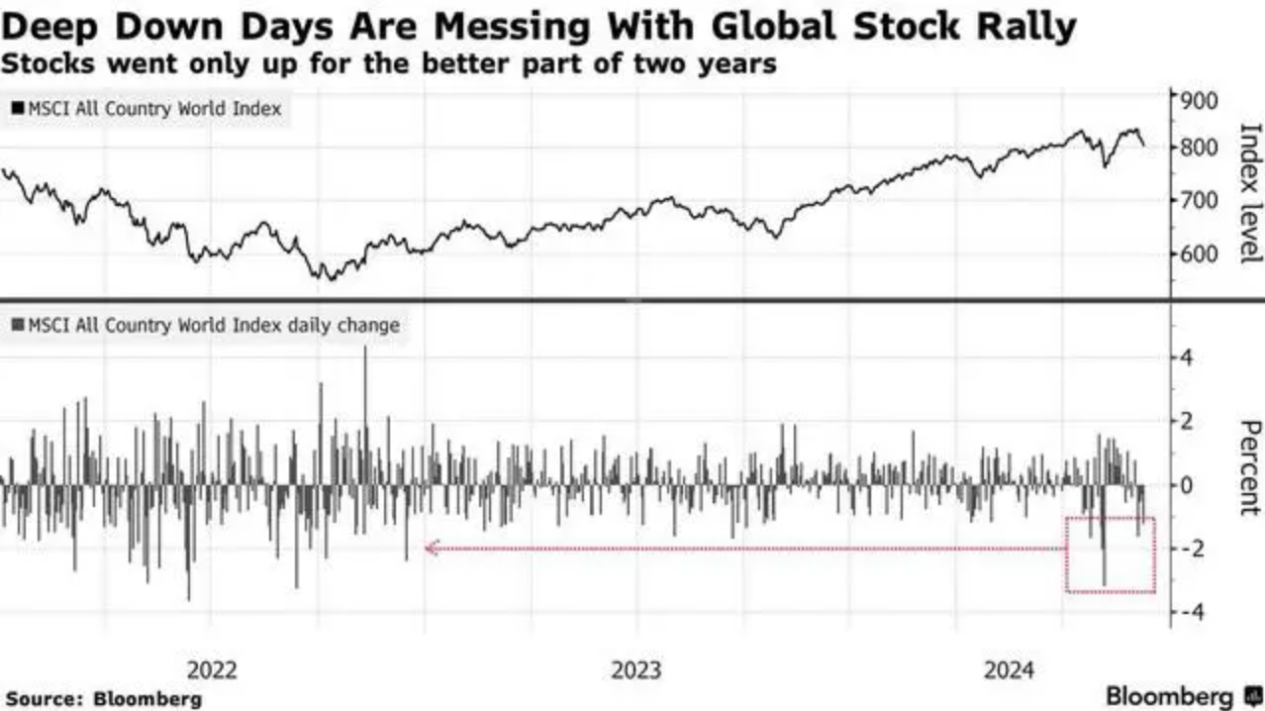
Although the S&P 500 index rebounded later, it failed to fully recover its lost ground. The U.S. August non-farm payrolls report released last Friday showed weak job growth, further reinforcing the view that the labor market was cooling and triggering violent market fluctuations. The S&P 500 index fell 4.25% in the past week, while the Nasdaq 100 index recorded its largest single-week drop since November 2022.
2. Multiple challenges faced by market uncertainty
Concerns about a U.S. recession are just one factor contributing to market volatility. The prospect of slower global economic growth is equally worrisome. Such a slowdown could negatively impact corporate earnings and prices, making future market prospects more volatile. While the path of interest rates is becoming clearer and investors are counting down to the Fed's first rate cut in four years, market uncertainty remains.
In addition to economic issues, market instability is exacerbated by risk factors such as the U.S. election, political turmoil in Europe, and excessive concentration of funds in large technology stocks.
The risk of overvaluation is already apparent. Many investors flocked to the market when stock prices were high, which makes them likely to quickly withdraw once the stock market reverses, leading to a more dramatic market decline. Changes in options trading and the influence of systemic investors can trigger unstable market movements and even lead to an avalanche effect of de-risking.
3. Market performance this year and future forecasts
Despite the volatility in August, the S&P 500 is still up 13% this year, and the MSCI World Index is up 10%. The strong performance of the market at the beginning of the year led institutional strategists such as UBS and RBC Capital to raise their year-end targets for the S&P 500 a few weeks ago.
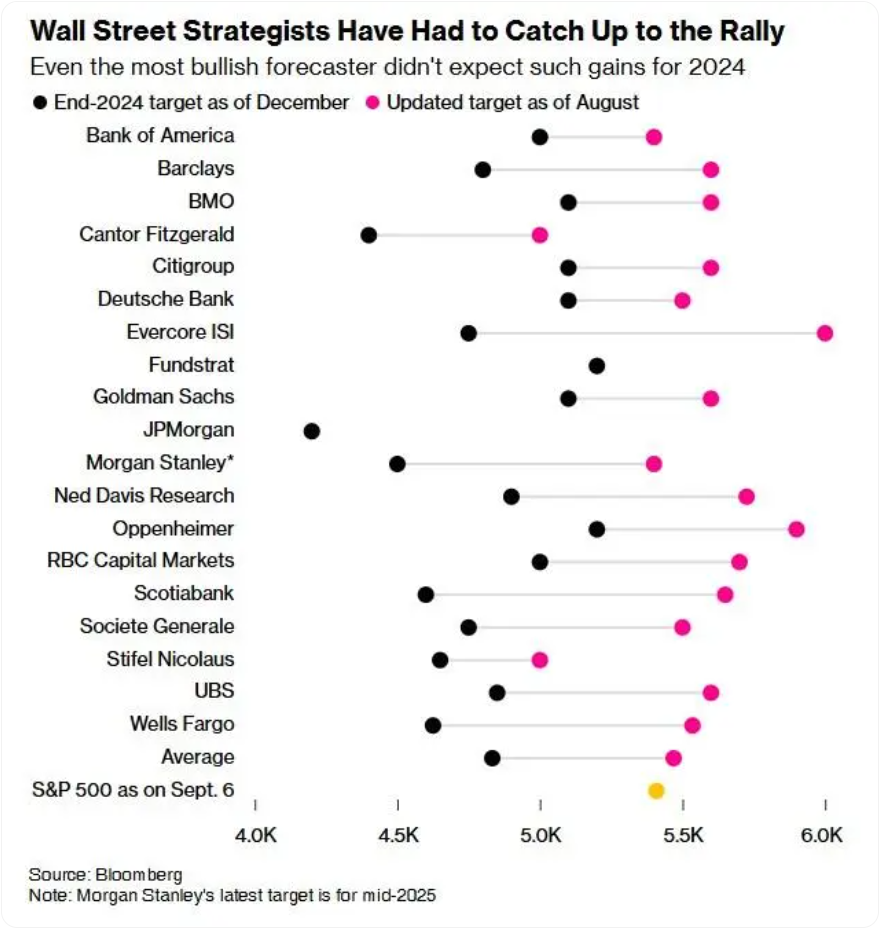
However, as market uncertainty increases, these institutions now seem to believe that the upside of the stock market is limited. According to the average forecast of 20 strategists tracked by Bloomberg, the S&P 500 may only rise another 1% by the end of 2024.
4. Historical experience and future market outlook
1. Historical market rebounds
Historical experience shows that although the market has faced challenges many times, it can eventually rebound quickly and set new highs. 2022 was one of the biggest setbacks for the stock market. At that time, high inflation and the Federal Reserve's monetary tightening policy triggered a sell-off in global markets, causing the market to evaporate $18 trillion.
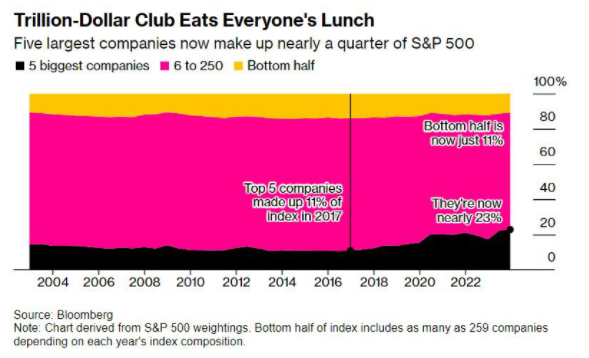
However, as inflationary pressures weakened, investors began to bet that the Federal Reserve would ease monetary policy. This optimism drove the S&P 500's recovery in 2023 and caused the index to hit new highs several times this year.
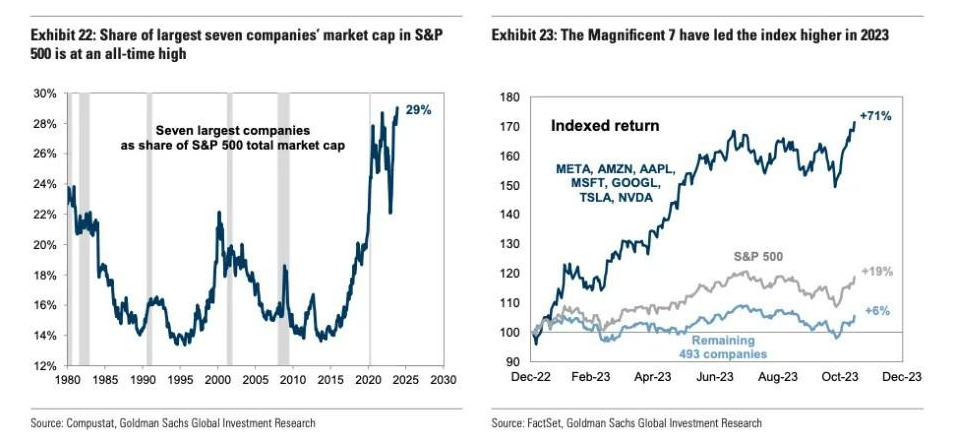
2. Concentration and risks of technology stocks
An important feature of the market performance this year is the strong performance of technology stocks, especially Nvidia's rise. Nvidia's stock price has more than doubled this year, becoming one of the main drivers of global stock market gains. Of course, this high reliance on artificial intelligence and large technology stocks also brings risks. If Nvidia's performance is not as expected, market sentiment may be severely hit.
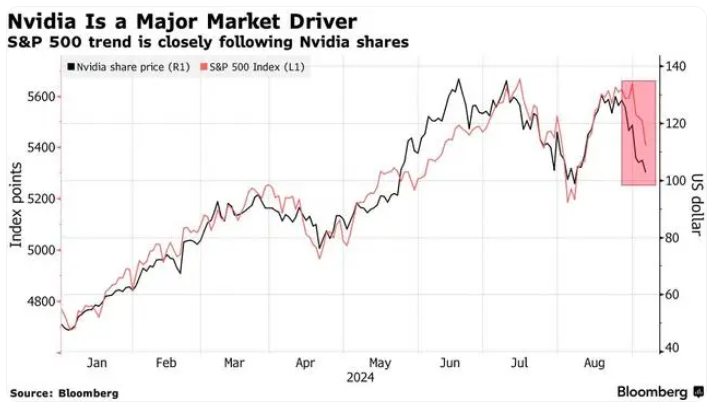
Therefore, since August, market concerns about economic growth have always been the focus of investors. This also leads us to worry that the Federal Reserve may be too cautious on interest rate cuts and wait too long. The U.S. non-farm payrolls data for August released last Friday further reinforced this expectation, prompting traders to increase their bets on the Federal Reserve cutting interest rates by 50 basis points in September. As investors, we need to be more cautious and wait-and-see in September.


Trending Articles
- Who Is Andrew Tate and Why Is He Famous? 10 Things to Know the Controversial Influencer
Discover who is Andrew Tate and why he's making waves in the digital sphere. Uncover 10 intriguing facts about this controversial influencer, his journey, and his impact on the online world.
2024-03-01 TOPONE Markets Analyst - Andrew Tate Net Worth 2024: Is the Internet's Most Controversial Man Worth $800 Million?
Explore the enigmatic Andrew Tate's net worth and delve into the controversies surrounding the internet's most polarizing figure. Is he truly worth $800 million? Uncover the truth behind his wealth and reputation here.
2024-02-23 TOPONE Markets Analyst - 20 Strongest Currencies in the World in 2024
Want to know the strongest currencies in the world in 2024? Here are the list for you!
2024-01-30 TOPONE Markets Analyst - Falling Wedge Pattern: The Ultimate Guide
A falling wedge is a bullish pattern characterized by a wide top and shrinking bottom. It is an extremely bullish pattern in a trading market.
2023-09-25 TOPONE Markets Analyst

 Bonus!

Bonus rebate to help investors grow in the trading world!