English






20 Strongest Currencies in the World in 2024
Want to know the strongest currencies in the world in 2024? Here are the list for you!

 15396
15396




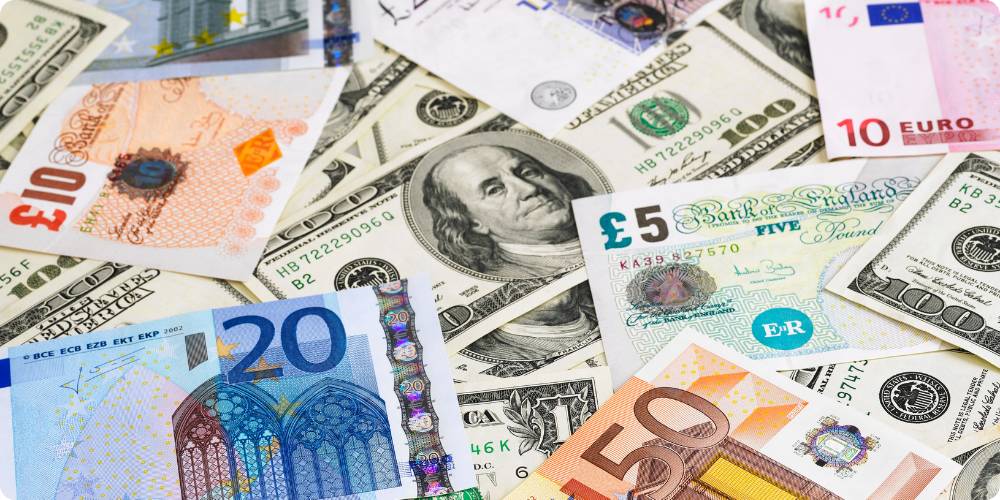
The UN reports a total of 180 currencies currently in circulation worldwide. Notably, some currencies hold higher value compared to others, with significant differences in their worth. This distinction doesn't inherently denote a country's wealth superiority over another. However, it commonly aligns with the economic strength and stability of a nation, often reflected in its Gross Domestic Product (GDP).
Fluctuations in exchange rates wield substantial influence on global commerce. Therefore, for businesses engaged in international trade, it becomes imperative to assess both the monetary value of a country's currency and its economic steadiness.
As of 2024, a compilation of the top 20 most strongest currencies globally is as follows:
1. Kuwaiti Dinar – KWD
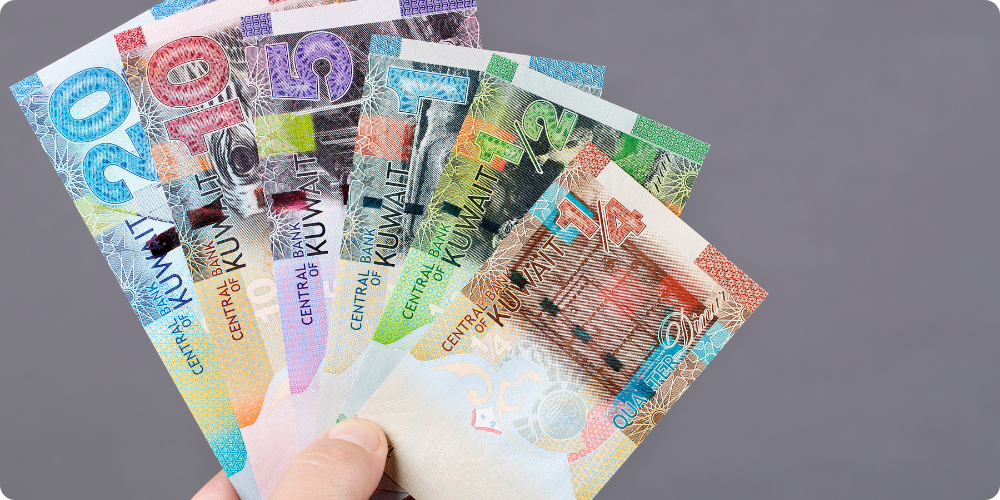
The strongest currency in the world is the Kuwaiti Dinar. Introduced in 1960, the year the country declared independence from British rule, it initially had an equal exchange rate with the British Pound Sterling (GBP).
After Iraq’s invasion of Kuwait in 1990, the Iraqi Dinar briefly replaced it, but it was restored after their liberation, and due to the theft of a large quantity of banknotes, the old Kuwaiti Dinar was demonetised and a new version was introduced.
The value of this currency has since achieved its top spot due to its rich oil reserves (contributing to 80% of the country’s GDP), zero tax, and relatively low unemployment. Kuwait also has a high number of expatriates, accounting for over 60% of the population.
2. Bahraini Dinar – BHD
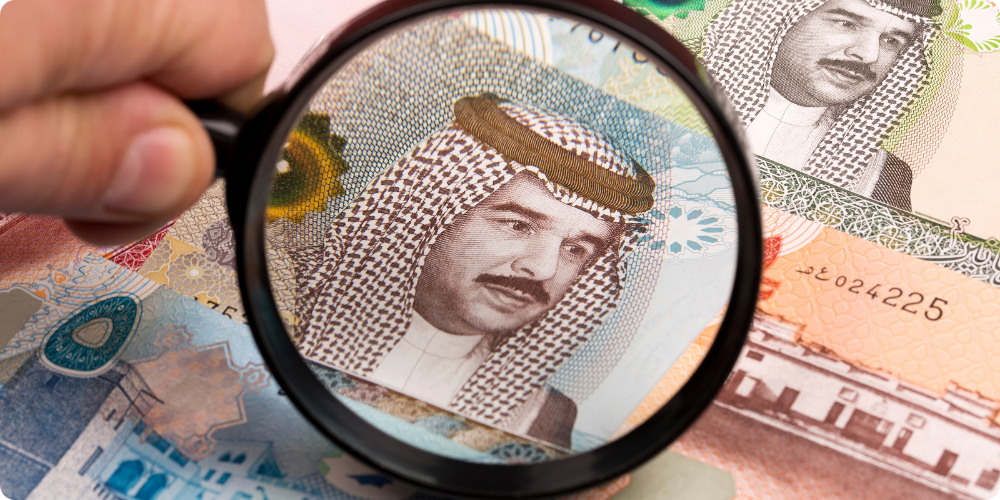
Further down the Persian Gulf, is Bahrain, holding the second strongest currency, the Bahraini Dinar. Much like Kuwait, Bahrain has achieved its high amount of wealth due to the oil reserves in the kingdom, contributing to over 85% of the GDP.
The Bahraini Dinar also has a special status in Bahrain. The Saudi Arabian currency Riyal can be used in Bahrain, but BHD is not legal tender in Saudi Arabia.
3. Omani Rial – OMR
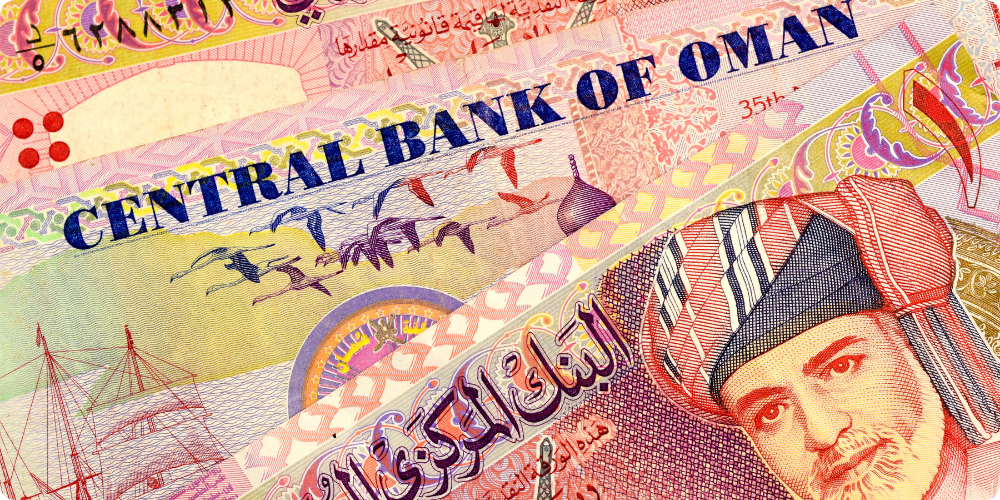
Introduced in 1970, it was named the Saidi Rial after the sultanate of Oman, The House of Al Said. However, after the 1970 Omani coup d’état, in 1972 the currency was reintroduced as the Omani Rial, and had an equal exchange rate.
The strength of this currency comes from the rich oil reserves. Oman has also made huge efforts in the last few decades to modernise the country, and to diversify the income of the country, transforming it into a strong, developed country with a very high standard of living.
4. Jordanian Dinar – JOD
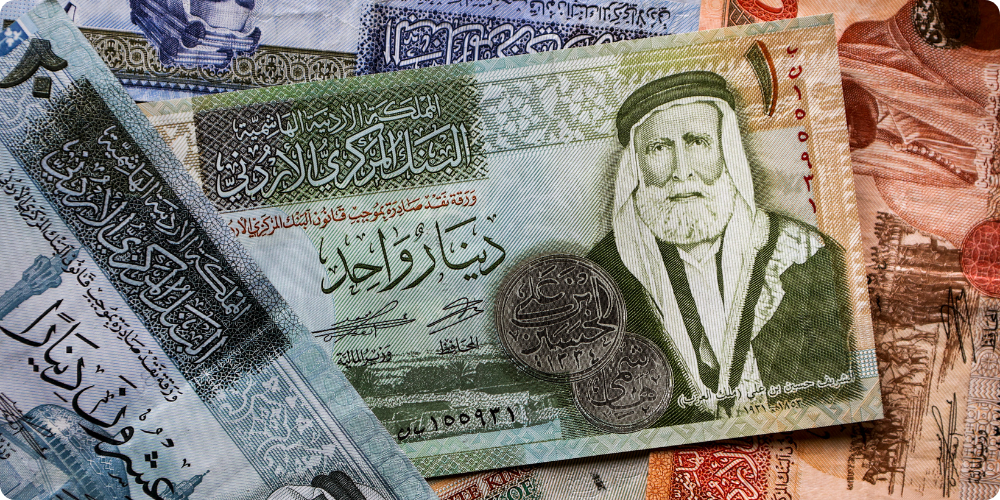
The Jordanian Dinar has been the central currency of Jordan since 1950 when it replaced the Palestinian Pound, and to this day is still pegged to the US dollar.
Oil is the main contributor to the value of the Jordanian Dinar, but it is also because of tight government policy that is strict on exchange rates. The economic activity in Jordan has been slowing however, and the currency may see a drop in a few years to come.
5. Cayman Islands Dollar – KYD
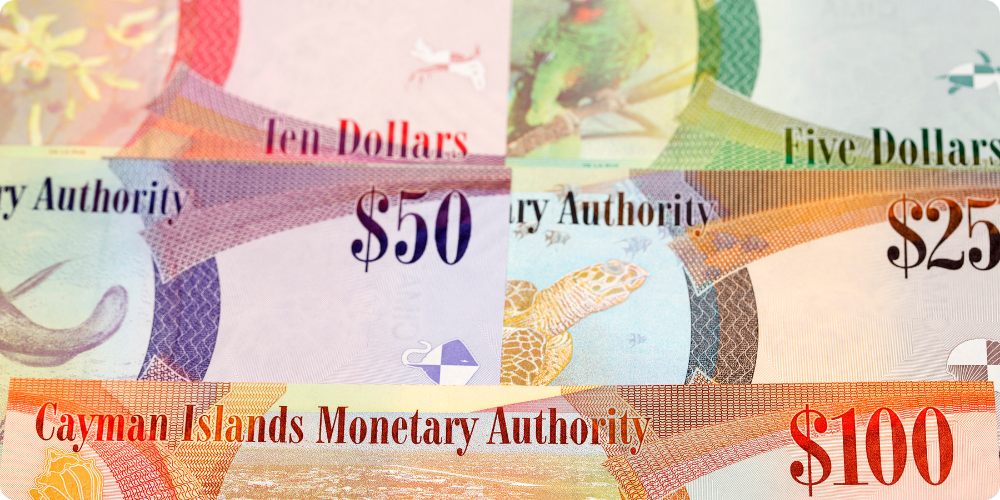
The Cayman Islands Dollar was introduced in 1972 after its separation from Jamaica, and was still used alongside the Jamaican Dollar for a few months within that year. Today, the Cayman Islands are very popular with banks, hedge funds and insurance companies due to its tax haven status.
Despite being British Overseas Territory, the Cayman Islands Dollar is pegged to the US dollar. It is very close in value to GBP, often trading places in the value list. At the time of writing, 1 Cayman Islands Dollar equals 0.99 Pound sterling.
6. British Pound – GBP
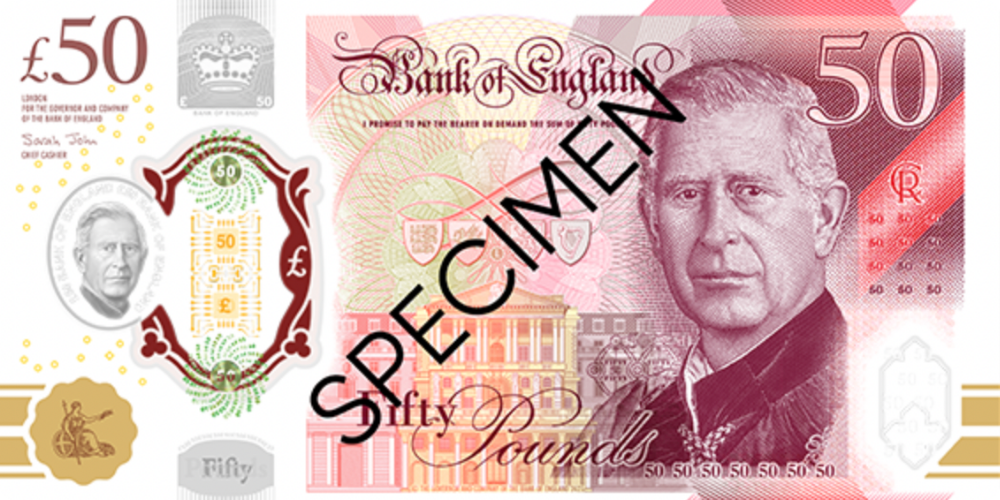
The British Pound Sterling is the oldest currency still in use, and has been around since the year circa 800. It is also referred to as sterling, or the pound sterling, which has its etymological origin in Old English. The British Pound has established itself as one of the strongest currencies in the world due to its highly advanced economy and establishing London as an economic hub.
It remains one of the strongest and widely used currencies in the world, and its exchange rate against the dollar is known as the cable.
7. Euro – EUR
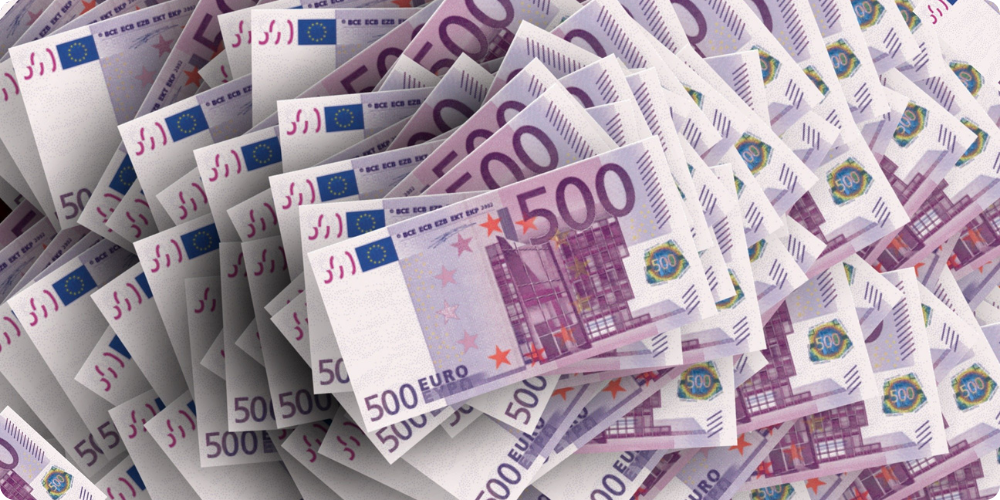
The Euro is the official currency of 20 of the 27 member states of the European Union (EU), and is the second-largest reserve currency behind the US dollar.
The Euro was launched on 1 January 1999, and for three years was only used for accounting purposes and electronic payments. The currency was introduced to the public via coins and banknotes in 2002 to 12 EU countries, and was the largest cash changeover in history. Croatia is the latest country joining the Eurozone on 1 January 2023.
8. Swiss Franc – CHF
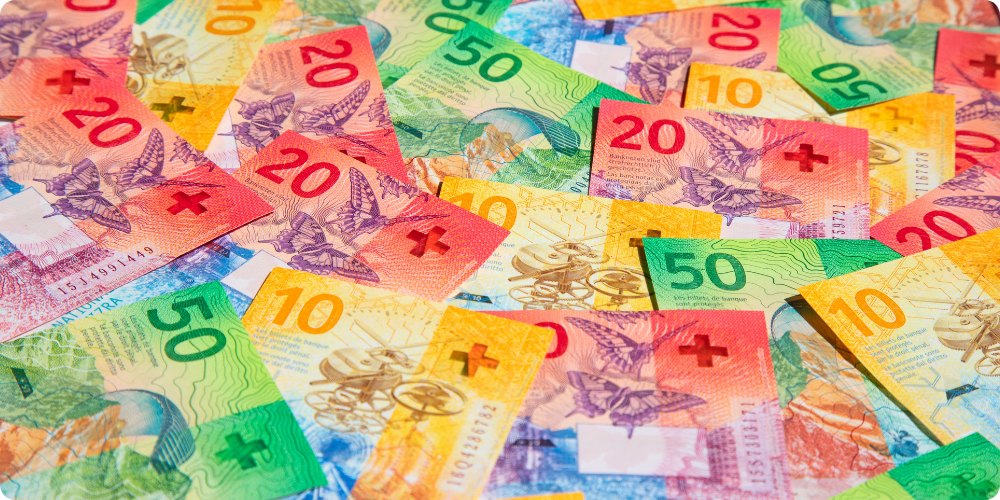
The Swiss Franc is the eighth strongest currency in the world, as is also one of the most stable, with a historically low inflation rate. Switzerland’s inflation rate is currently 3.3%, which is close to the highest it has been for 30 years.
Switzerland is also one of the richest countries in the world, and has a strong attraction for foreign investment, due to its overall stability, high level of financial reporting openness, and low bank interest rates.
9. US Dollar – USD
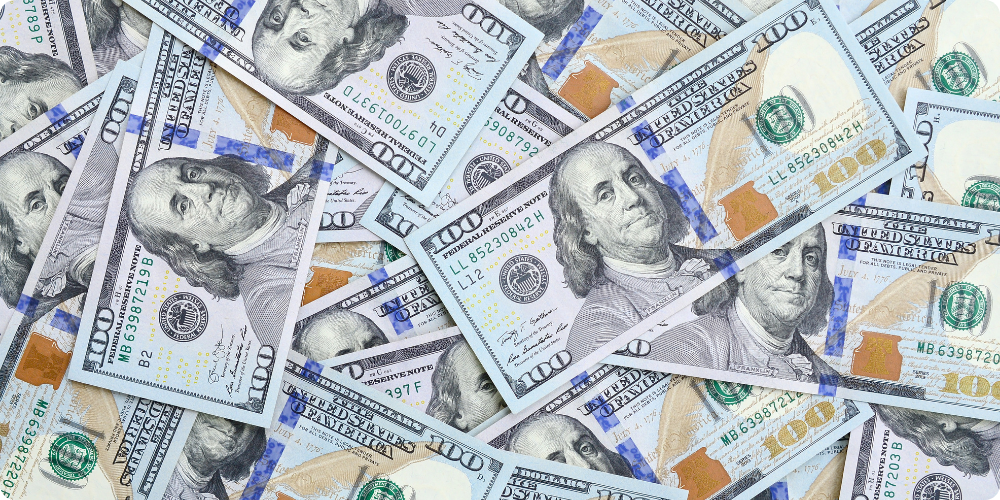
The US dollar, while ninth on the list, has several special qualities of strength. The US dollar is, and has been consistently, the largest reserve currency in the world, with the currency making up 58.81% of all reserves in the world.
Oil (the commodity responsible for the strength of the top four currencies) since the 1970s, has been bought and sold in dollars. Due to the USA’s economic (and military) dominance, and the wide availability of dollars, oil is bought and sold in dollars almost exclusively – a monopoly that has been maintained by the US. This means that most countries have large amounts of dollars in their reserves, with leftover dollars for oil referred to as petrodollars.
10. Bahamian dollar – BSD
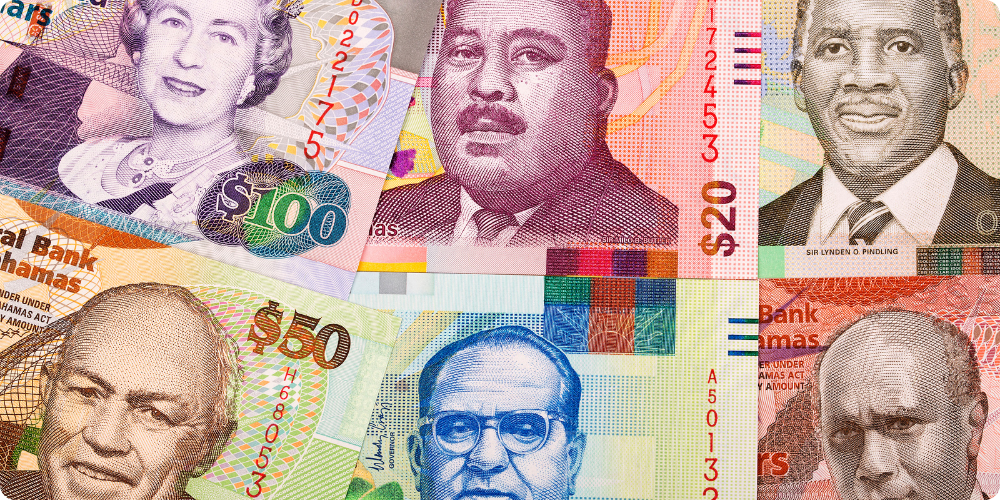
The central currency of the Bahamas since 1966, the Bahamian dollar is tied to the US dollar with a fixed exchange rate, meaning that the Bahamian Dollar will always equal the US Dollar. In 2020, the Bahamas became the first country to introduce a legal digital currency of their own, introducing the Sand Dollar as an alternative in an attempt to accelerate the adoption of digital payments.
11. Panamanian balboa – PAB
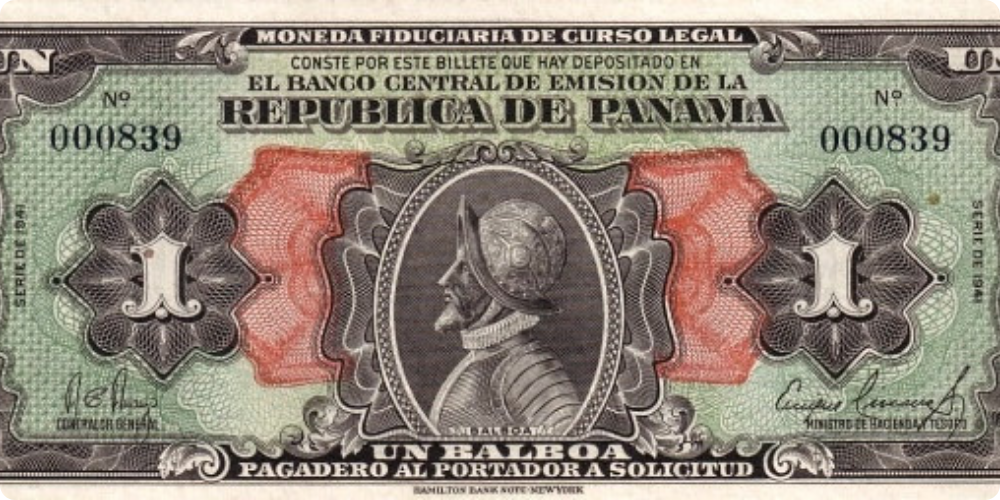
The Panamanian balboa is also pegged to the US dollar, and has been in circulation since 1902 when Panama gained independence from Colombia. Panama interestingly has no central bank, instead the government owns two separate banks to handle the country’s finances.
12. Bermudian dollar – BMD
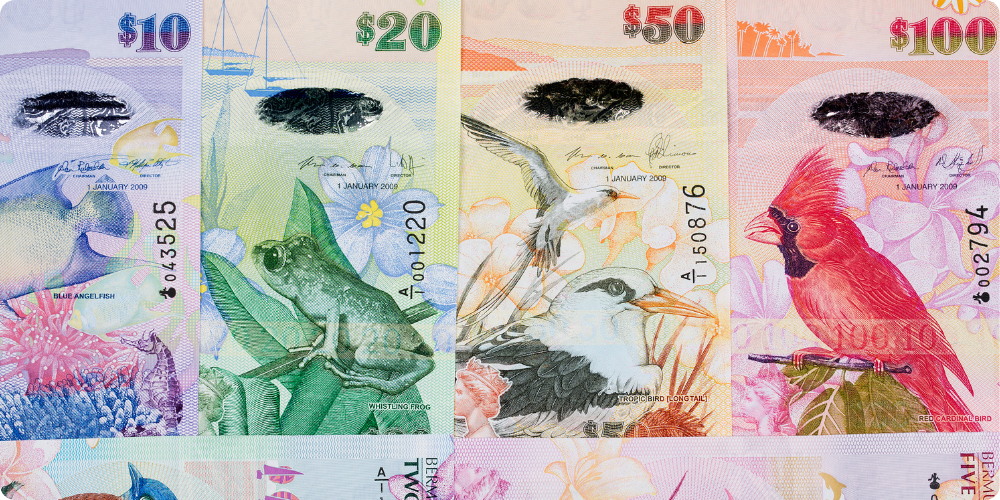
The Bermudian dollar is tied to the US dollar, which circulates in Bermuda equally to BMD.
Due to offshore financial services and tourism, the per capita income of Bermuda is extremely high, and is currently fourth in the world.
13. Canadian dollar – CAD
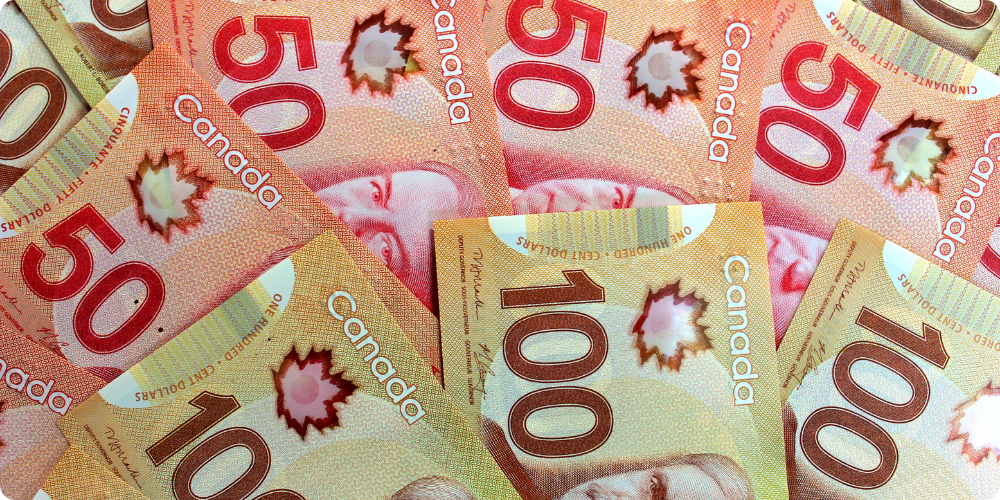
The Canadian dollar came about in 1867 after the unification of the Province of Canada, New Brunswick and Nova Scotia to form the federation of Canada. Until then, unique currencies had been used by each province, until 1871, when the government passed the Uniform Currency Act making the Canadian dollar the official currency.
Due to the image of a common loon (a type of Canadian bird) on the one dollar coin, they are often referred to as ‘loonies’.
14. Singapore dollar – SGD
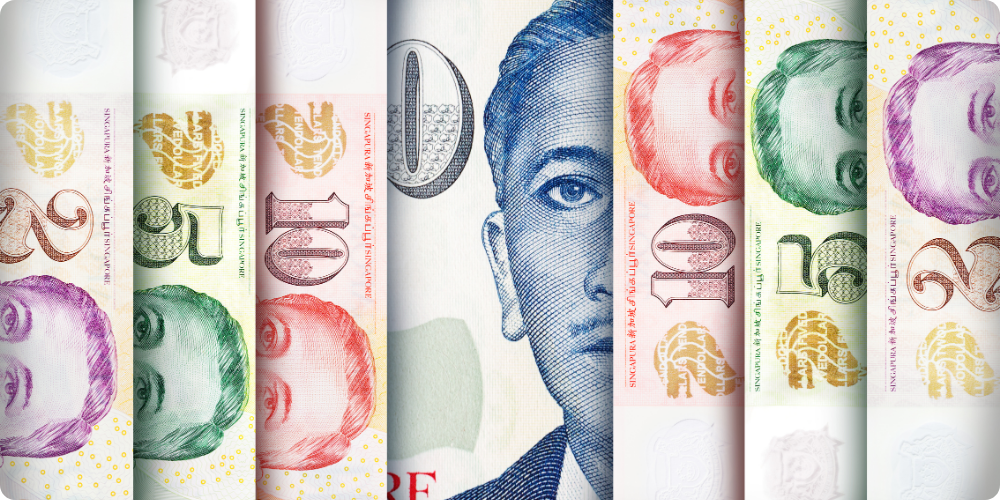
After separating from Malaysia in 1967 and forming the Board of Commissioners of Currency, the Singapore dollar was introduced due to the breakdown of monetary union between Singapore, Brunei and Malaysia.
Singapore has become economically strong since then, and is 11th on the list of largest foreign exchange reserves in the world.
While the interchangeability with the Malaysian ringgit was ended in 1973, the Singapore dollar is still interchangeable today with the Brunei dollar at par.
15. Brunei dollar – BND
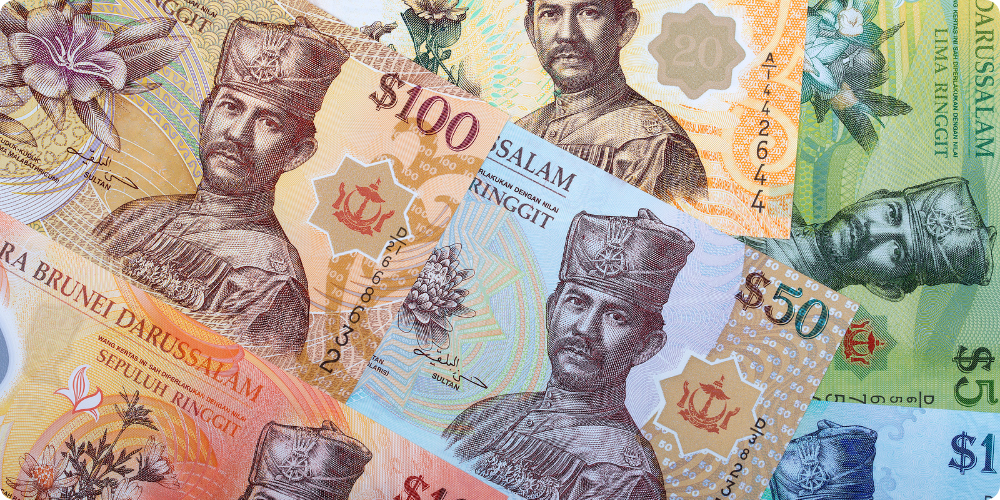
The Brunei dollar replaced the Malaya and British Borneo dollar in 1967 after Singapore’s separation from Malaysia. The Brunei dollar is interchangeable with the Singapore dollar, and both can be used in either country.
Brunei is a small but wealthy country, and makes up half of its GDP from revenues from the petroleum sector. By GDP (PPP) per capita, Brunei ranks 9th in the world.
16. Australian dollar – AUD
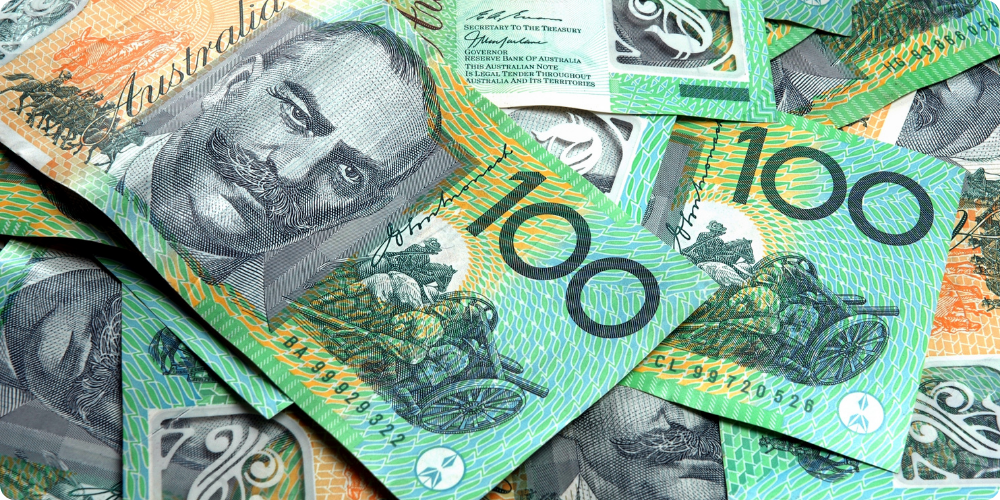
Introduced in 1966 to replace the Australia pound, the Australian dollar was initially pegged to the British sterling (which was common at the time) until fluctuations in the sterling meant that the Australian dollar detached in 1967.
The Australian dollar is also legal tender in the Christmas Island, Cocos (Keeling) Islands, and Norfolk Island; and is also the official currency in Kiribati, Nauru, and Tuvalu.
17. New Zealand dollar – NZD
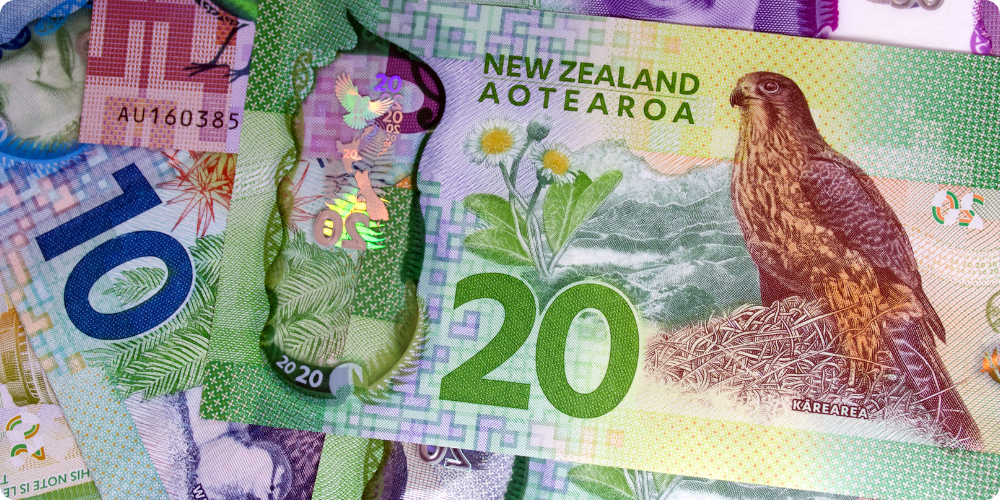
The New Zealand dollar is the official currency of New Zealand, as well as all its island territories and the Ross Dependency. Introduced in 1967, it replaced the New Zealand pound which had been used since 1933.
18. Bulgarian lev – BGN
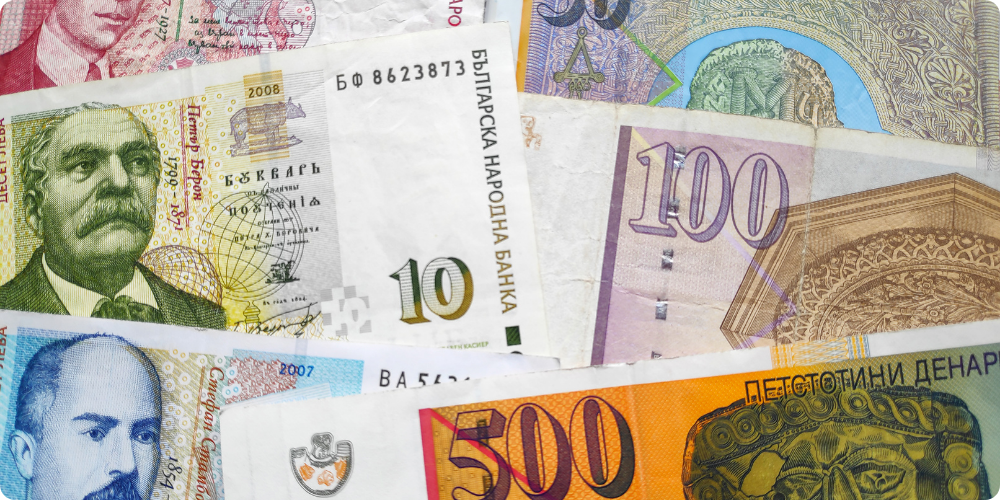
The Bulgarian lev was introduced as Bulgaria’s currency in 1881 with a value equal to the French franc. Since joining the EU in 2007, Bulgaria is aiming to adopt the Euro as their official currency by 2025.
19. Fijian dollar – FJD
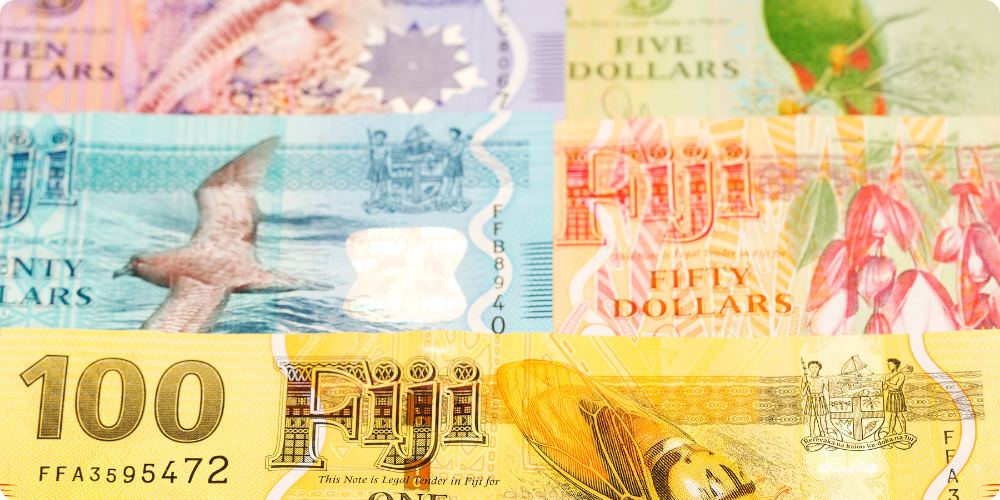
The Fijian dollar has been in circulation since 1967, and was also briefly the currency for the country from 1867 to 1873, until it was replaced by the Fijian pound. When the dollar was introduced, the name ‘dollar’ was picked over pound as it more closely represented the value of the US dollar.
20. Brazilian real – BRL
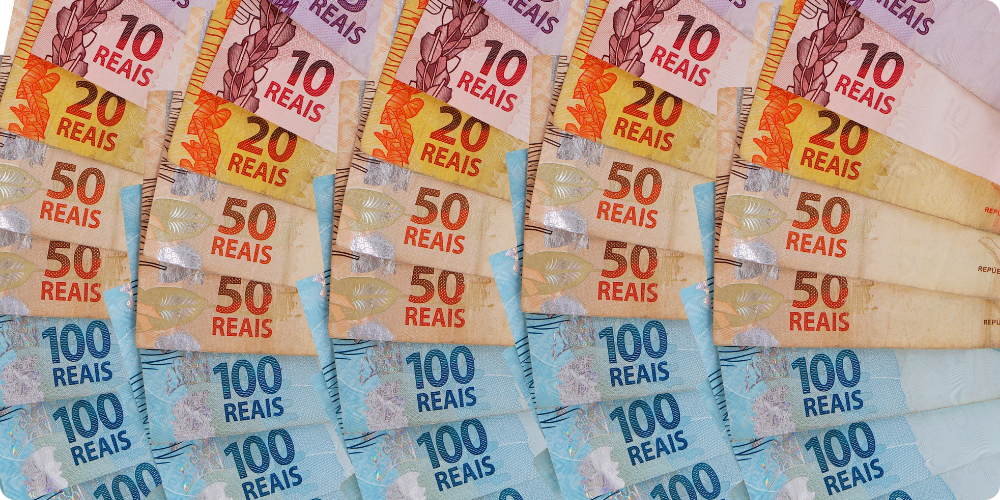
The Brazilian real has been the central currency since 1994, which it finally settled on after changing currency eight times since 1942. In 1993, the inflation rate hit almost 2,500%, and the real was introduced to stabilise the economy.


Trending Articles
- Who Is Andrew Tate and Why Is He Famous? 10 Things to Know the Controversial Influencer
Discover who is Andrew Tate and why he's making waves in the digital sphere. Uncover 10 intriguing facts about this controversial influencer, his journey, and his impact on the online world.
2024-03-01 TOPONE Markets Analyst - Andrew Tate Net Worth 2024: Is the Internet's Most Controversial Man Worth $800 Million?
Explore the enigmatic Andrew Tate's net worth and delve into the controversies surrounding the internet's most polarizing figure. Is he truly worth $800 million? Uncover the truth behind his wealth and reputation here.
2024-02-23 TOPONE Markets Analyst - Falling Wedge Pattern: The Ultimate Guide
A falling wedge is a bullish pattern characterized by a wide top and shrinking bottom. It is an extremely bullish pattern in a trading market.
2023-09-25 TOPONE Markets Analyst - Federal Funds Rate and Its History from 1990 to 2023
Explore the dynamic history of the Federal Funds Rate from 1990 to 2023 in our comprehensive article. Discover how interest rate fluctuations shape the economy and financial markets. Stay informed about the Federal Reserve's impact on your financial decisions.
2023-09-11 TOPONE Markets Analyst

 Bonus!

Bonus rebate to help investors grow in the trading world!