English






TOP 20 Highest Currencies in The World in 2024
In 2023, the world's most valuable currencies are discussed, highlighting that the United States dollar, despite being the most traded currency, is not in the top 10. Factors challenging the dollar's dominance include the rise of the Chinese Yuan, concerns about economic sanctions, and the emergence of digital currencies. The top 20 highest currencies in 2023 are then listed, including the Brazilian Real, Fijian Dollar, Bulgarian Lev, New Zealand Dollar, Australian Dollar, Brunei Dollar, Singapore Dollar, Canadian Dollar, Bermudian Dollar, and Panamanian Balboa, among others. These currencies are briefly described, along with their historical backgrounds and economic significance. The interconnectedness of these currencies with global finance and geopolitical developments is also discussed, highlighting the evolving landscape of international currencies.

 10605
10605




TOP 10 Weakest Currency in The World in 2023 have already been discussed with you. Have you given any attention to the topic of the currency that has the most value in the world? Which is more valuable: the pound sterling, the United States dollar, or the euro? They are not in any way. The United States dollar, although being the most traded currency in the world, is not even in the center of the top 10 list of currencies.
The US dollar is widely acknowledged to be the most influential currency in the world. It is, by a significant margin, the most frequently traded currency on the international stage.However,the US dollar is not the most powerful of the approximately 180 conventional fiat currencies that are recognized all over the globe as legitimate forms of payment. This may come as a surprise to some. Money that does not derive its value from a tangible good, such as gold or silver, is said to be denominated in fiat currency.
When compared to the value of one dollar, other currencies have more purchasing power. We have determined the 20 most powerful currencies in the world by analyzing their relative worth in comparison to that of the United States dollar.
Challenges to the U.S. Dollar
The greenback, which is denominated in U.S. dollars, constitutes 59% of central banks' total foreign exchange reserves, making it the reserve currency with the highest market share in the world. The United States dollar is used as the unit of account for very nearly half of all foreign loans and debts, and it is also used for very nearly half of all international trade-related invoices. According to a research that was made public by the International Monetary Fund (IMF), the proportion of the leading reserve currency that has been eroded in recent decades. Since the introduction of the Euro in 1999, the proportion of central banks' foreign currency reserves that are held in dollars held in the United States has decreased from 71% to 59%.
According to a research that was produced by the Congressional Research Service in the year 2022, the worldwide supremacy of the United States Dollar faces three primary threats that are caused by developments in both the global economy and the geopolitical landscape. Since the 1990s, China has made significant economic success, which has spurred the Chinese government in Beijing to examine measures to promote the use of the Yuan as a trade currency.
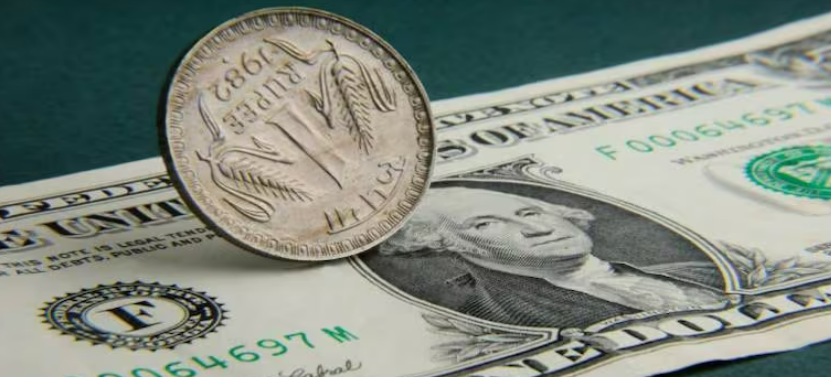
In addition, the United States government's use of economic sanctions to achieve its foreign policy goals may pose a risk to the key position that the United States financial system plays. A number of nations throughout the world are struggling economically, and their governments are looking for methods to become less dependent on the US dollar. The percentage of Russia's exports to BRICS member nations that are invoiced in U.S. dollars is expected to drop from 85% in 2018 to only 36% in 2022, as an illustration of this trend.
According to the findings of a study conducted by the Bank for International Settlements (BIS) in 2021, more than ninety percent of the world's central banks are now working on the development of digital currencies, and around one quarter of these institutions are conducting trial programs.
20. Brazilian Reals (BRL)
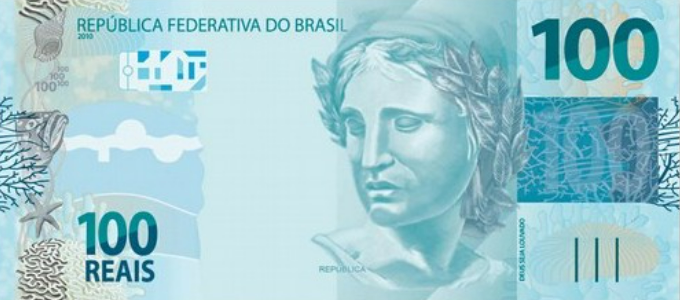
[1 BRL = 0.2 USD]
The Brazilian Real is the official tender in Brazil with a conversion rate of 0.19 against one dollar. BRL was introduced on 1 July 1994, during the presidency of Itamar Franco. BRL ranks last at 20th position in our list of the world’s strongest currencies. Brazil is one of the leading exporters of iron ore, crude petroleum, soybeans, sugar, coffee, corn, etc., worldwide.
19. Fijian dollar (FJD)
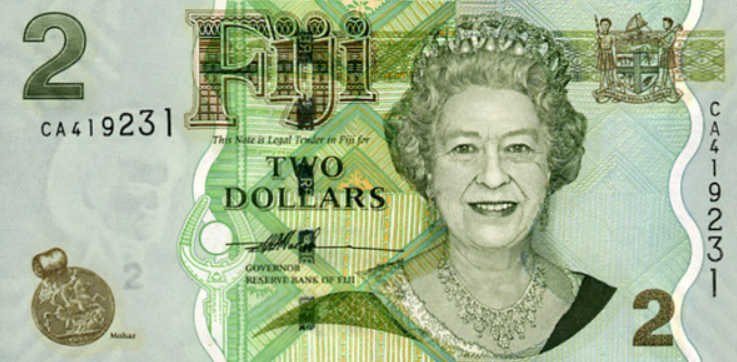
[1 FJD = 0.44 USD]
The Fijian pound was the currency of the nation from 1867 to 1873, when it was replaced by the Fijian dollar, which has been in circulation ever since 1967. The Fijian dollar has been in circulation ever since 1967. When the dollar was first launched, the word 'dollar' was chosen rather than 'pound' because it better conveyed the worth of one US dollar.
18. Bulgarian lev (BGN)
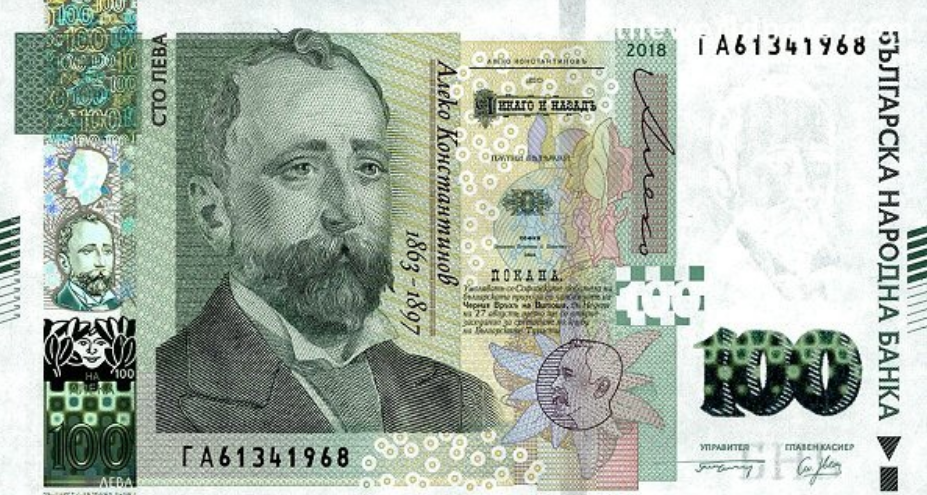
[1 BGN= 0.55 USD]
In 1881, the country of Bulgaria adopted the lev as its official currency. At the time, one lev was equivalent to one French franc. Since joining the EU in 2007, Bulgaria has made it one of its primary goals to replace their national currency with the euro by the year 2025.
17. New Zealand dollar (NZD)
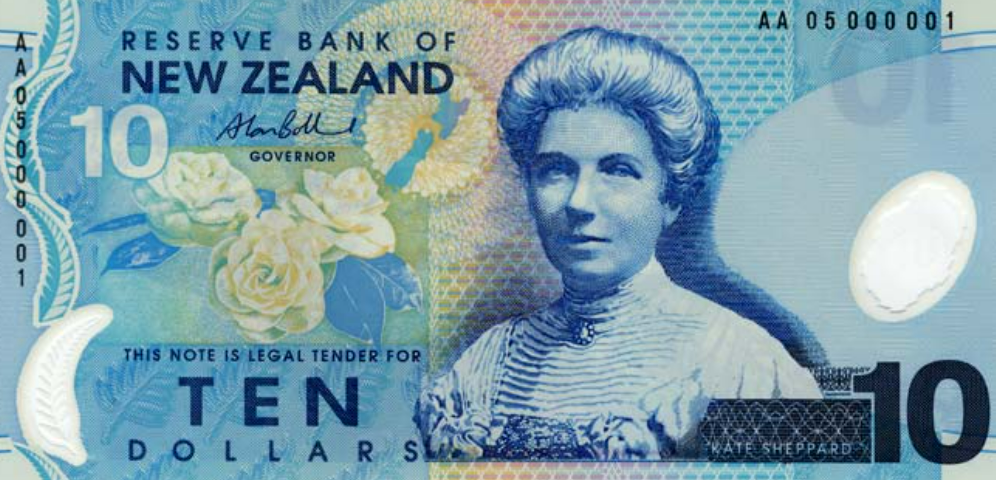
[1 NZD = 0.59 USD]
The New Zealand dollar is the currency that is used across the whole country of New Zealand, including all of its island territories and the Ross Dependency. It took over from the New Zealand pound, which had been in circulation since 1933, and was introduced in 1967.
16. Australian dollar (AUD)
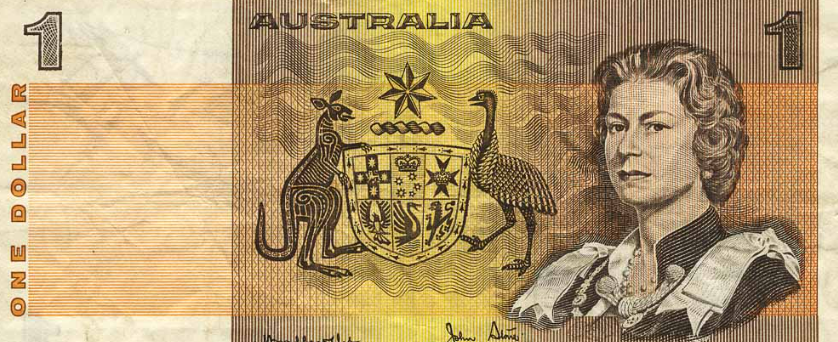
[1 AUD = 0.64 USD]
When it was first introduced in 1966 to replace the Australian pound, the Australian dollar was first tied to the British sterling (which was usual at the time). This arrangement lasted until 1967, when changes in the sterling caused the Australian dollar to become independent of the sterling.
In addition to being accepted as legal cash on Christmas Island, the Cocos (Keeling) Islands, and Norfolk Island, the Australian dollar is the official currency of Kiribati, Nauru, and Tuvalu. The Australian dollar is also legal tender on Norfolk Island.
15. The Brunei dollar (BND)
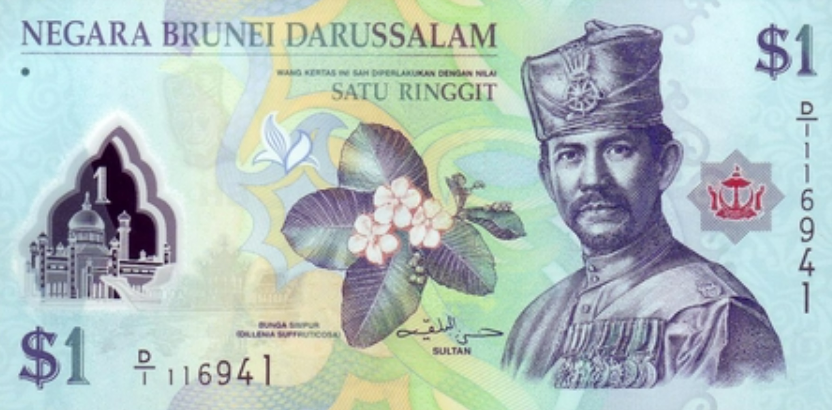
[1 BND = 0.73 USD]
After Singapore's independence from Malaysia in 1967, the Malayan and British Borneo dollar was replaced by the Brunei dollar as the official currency of Brunei. Both countries' currencies, the Singapore dollar and the Brunei dollar, may be exchanged for one another and used freely everywhere in either nation.
Brunei is a very tiny nation yet it has a high standard of living. Revenues from the petroleum industry account for half of the country's GDP. Brunei has the ninth highest GDP (PPP) per capita of any country in the world.
14. The Singapore dollar (SGD)
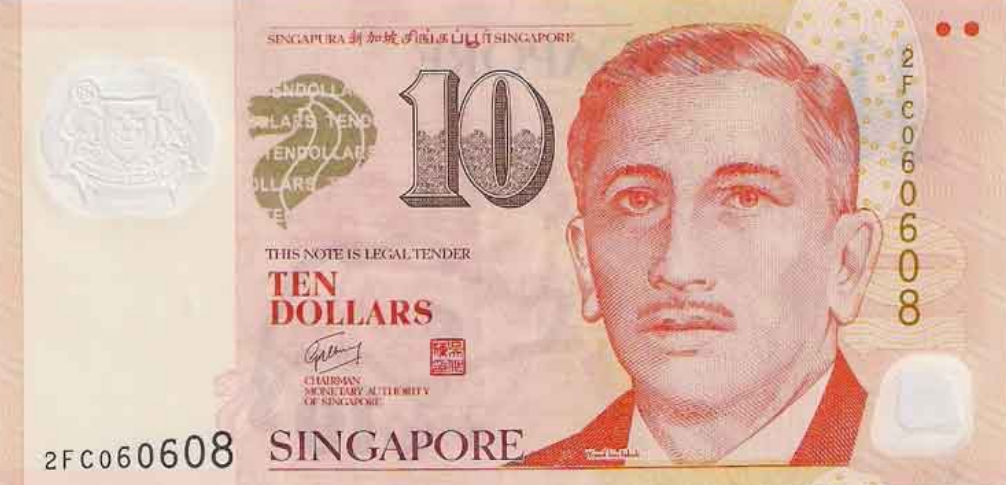
[1 SGD = 0.73 USD]
The Singapore dollar was adopted in 1968 as a result of the dissolution of the monetary union that existed between Singapore, Brunei, and Malaysia. This occurred after Singapore declared its independence from Malaysia in 1967 and formed the Board of Commissioners of Currency.
Since then, Singapore has made great strides in terms of its economy, and it now has the eleventh-largest foreign currency reserves on the list of countries across the globe.
Although the option to exchange the Singapore dollar for the Malaysian ringgit was eliminated in 1973, the Singapore dollar and the Brunei dollar may still be exchanged for one another today at the same rate.
13. The Canadian dollar (CAD)
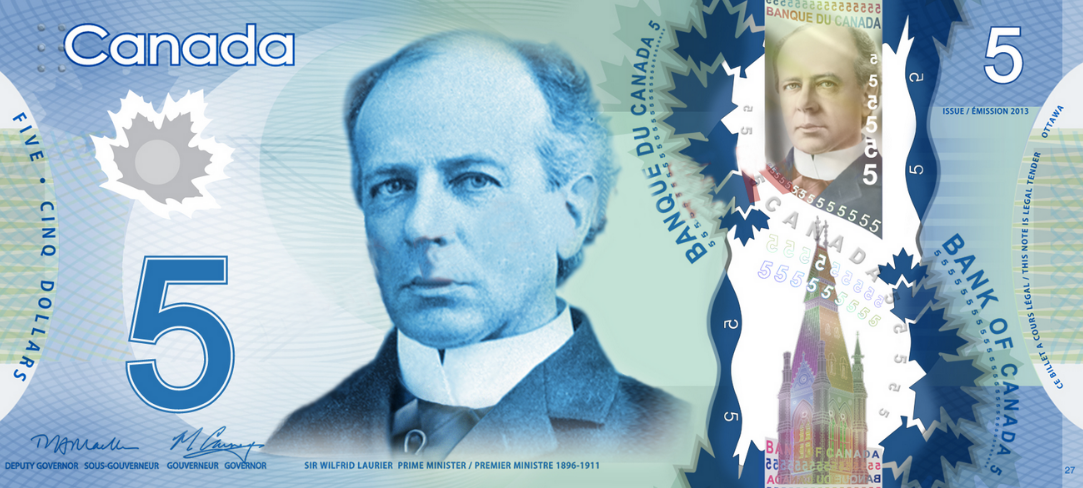
[1 CAD = 0.73 USD]
After the province of Canada, New Brunswick, and Nova Scotia were brought together to create the federation of Canada in 1867, the Canadian dollar was established as the country's official currency. Before that time, each province had its own currency, but in 1871, the federal government approved the Uniform Currency Act, which made the Canadian dollar the country's official currency. Prior to that, each province had its own currency.
Because of the depiction of a common loon, a species of bird native to Canada, on the front of the one dollar coin, the currency is sometimes referred to as a "loonie."
12. The Bermudian dollar (BMD)
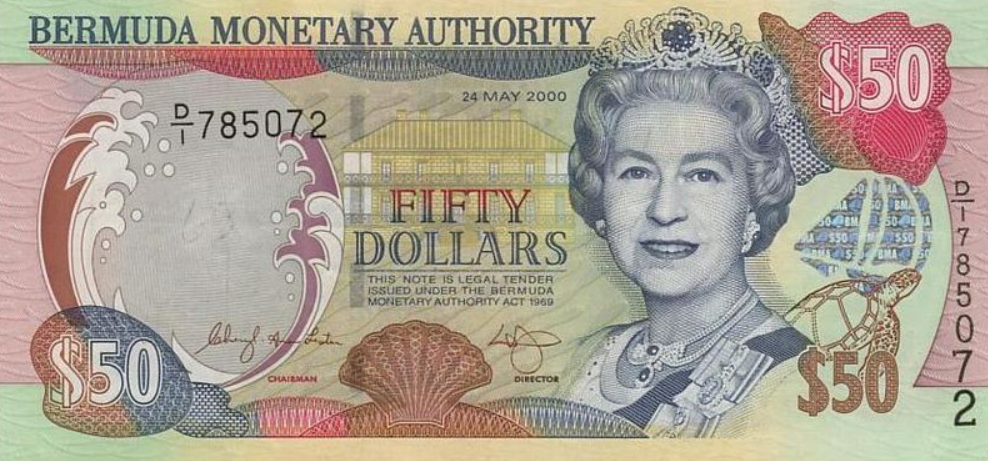
[1 BMD = 1 USD]
The Bermudian dollar is pegged to the United States dollar, which has the same purchasing power in Bermuda as the BMD.
The per capita income of Bermuda is extraordinarily high and now ranks fourth in the world because to the offshore financial services industry as well as the tourist industry.
11. The Panamanian balboa (PAB)
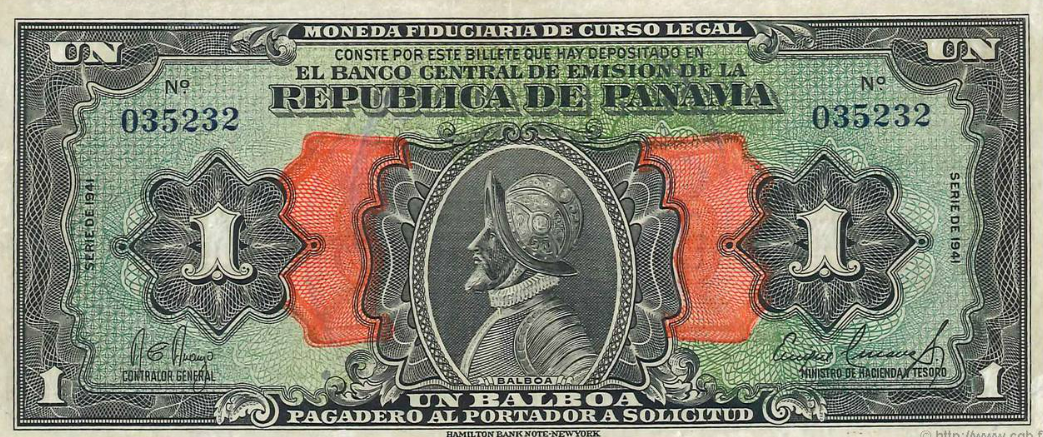
[1 PAB = 1 USD]
In addition, the Panamanian balboa is tied to the value of the US dollar, and it has been in circulation ever since Panama achieved its independence from Colombia in 1902. It is noteworthy to note that Panama does not have a central bank; rather, the government controls two independent banks that are responsible for managing Panama's finances.
10. Bahamian dollars (BSD)
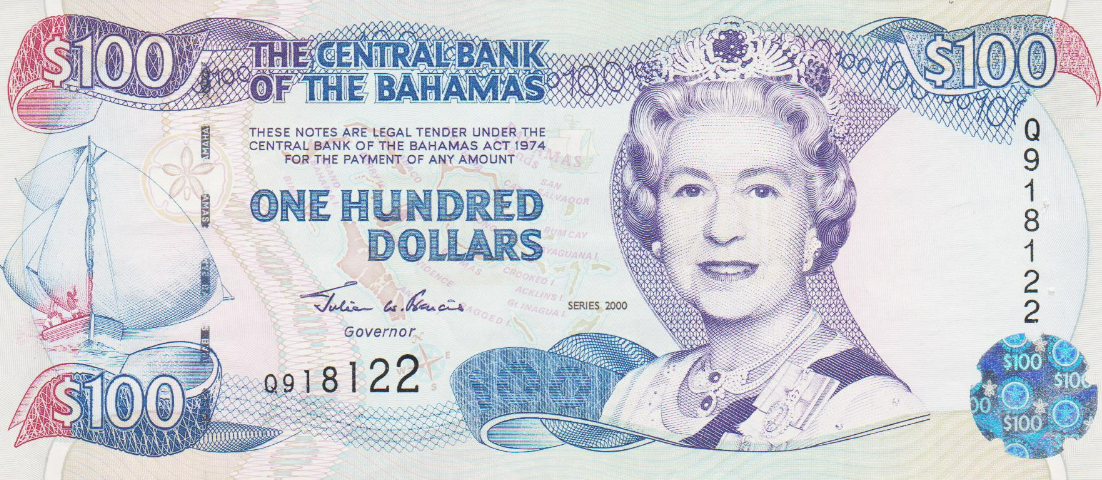
[1 BSD = 1 USD]
Since 1966, the Bahamian dollar has served as the country's primary form of currency. Because of a permanently set exchange rate with the United States dollar, the value of one Bahamian dollar is equivalent to one US dollar at all times. The Bahamas became the first nation in the world to launch their very own legitimate form of digital money in the year 2020. They did so by launching the Sand Dollar as an alternative in an effort to hasten the transition to the use of digital payment methods.
9. US Dollar (USD)
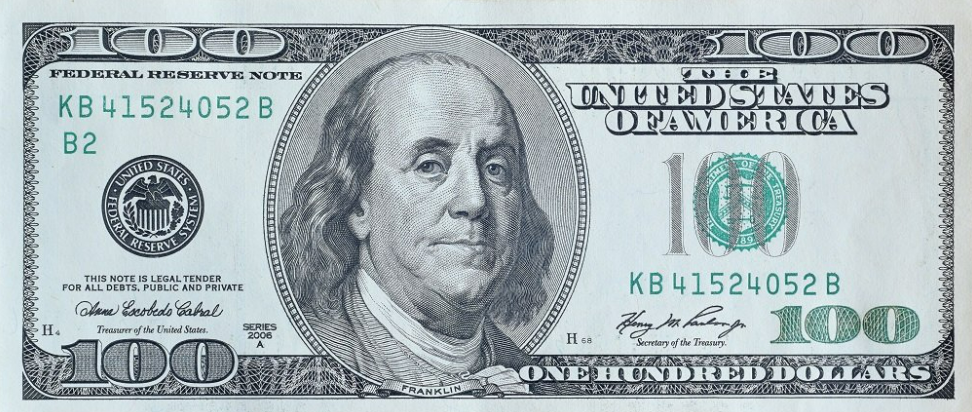
[1 USD = 1 USD]
The US dollar, despite its position of ninth on the list, is distinguished by a number of particularly robust characteristics. The United States dollar, which accounts for 58.81% of all reserves in the globe, is now and has constantly held the position of being the most important reserve currency in the world.
Since the 1970s, the United States dollar has been the medium of exchange for the purchase and sale of oil, the commodity that is primarily responsible for the strength of the top four currencies. Because of the United States' economic (and military) preeminence and the widespread availability of dollars, practically all transactions involving oil are conducted in dollars. This is a monopoly that the United States has successfully maintained. This indicates that the majority of nations have significant sums of dollars in their reserves, which are known as petrodollars. Petrodollars are dollars that are remaining after paying for oil.
8. Swiss Francs (CHF)
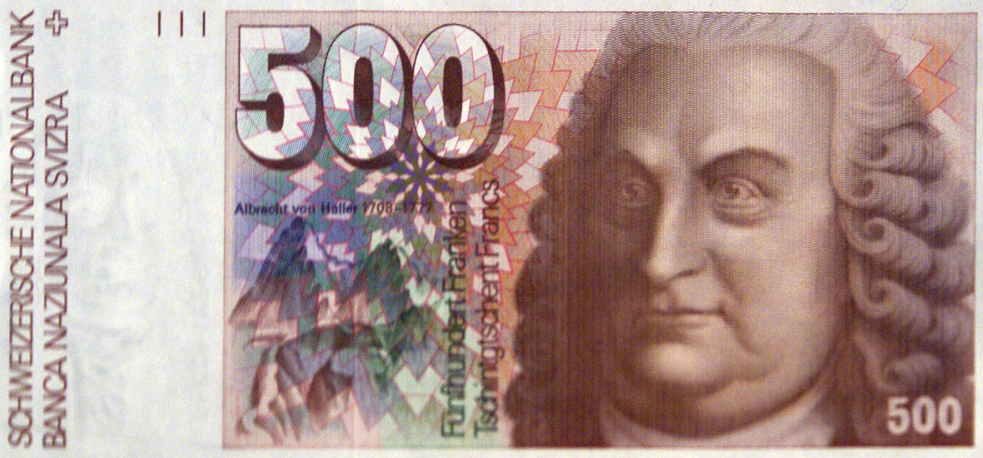
[1 CHF = 1.12 USD]
The Swiss franc has an inflation rate that is among the lowest in history, making it not just one of the most stable currencies but also the eighth strongest currency in the world. The inflation rate in Switzerland is at 3.3%, which is quite close to being at its highest level in the last 30 years.
Because of its general level of stability, high degree of financial reporting transparency, and low bank interest rates, Switzerland is not only one of the wealthiest nations in the world, but it is also one of the countries with the highest number of foreign direct investments.
7. The Euro (EUR)
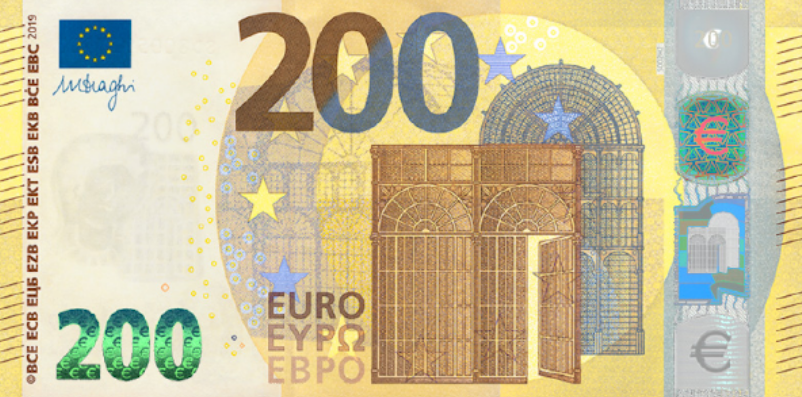
[1 EUR = 1.07 USD]
The European Union (EU) has 27 member nations, 20 of which use the Euro as their official currency. The Euro is the second-largest reserve currency in the world, behind only the US Dollar.
The European Union introduced the euro on January 1, 1999, but for the first three years, it was only utilized for electronic payments and accounting reasons. It was the most extensive transition of its kind in the annals of monetary history when, in 2002, the currency was made available to the general public in 12 member states of the EU in the form of coins and banknotes. On the first of January in 2023, Croatia will become the newest member of the Eurozone.
6. The Cayman Islands Dollar (KYD)
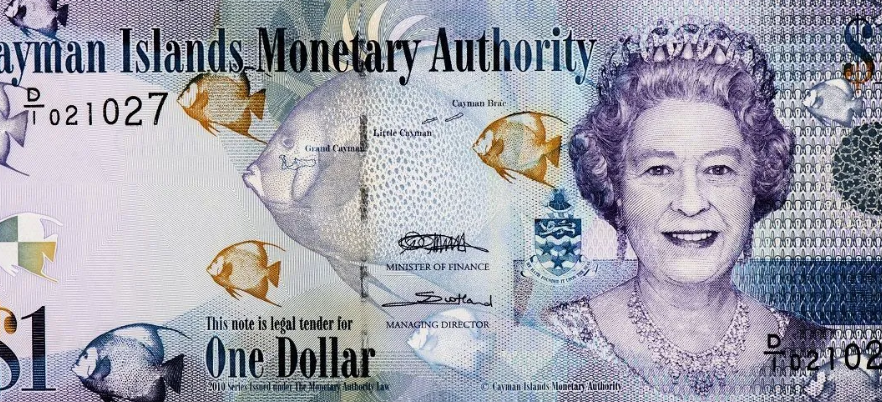
[1 KYD = 1.2 USD]
After the Cayman Islands became independent from Jamaica in 1972, they began using their own currency, which they called the Cayman Islands Dollar. However, for the first several months of that year, they continued to also use the Jamaican Dollar. Due to the fact that the Cayman Islands are not subject to income tax, financial institutions such as banks, hedge funds, and insurance firms flock there.
The Cayman Islands Dollar is tied to the value of the United States Dollar despite the fact that the Cayman Islands are a British Overseas Territory. It is very close to GBP in value, and the two currencies often trade positions in the value list. One Cayman Islands Dollar is now equivalent to 0.99 British Pounds sterling as of the time of this writing.
5. British Pound (GBP)
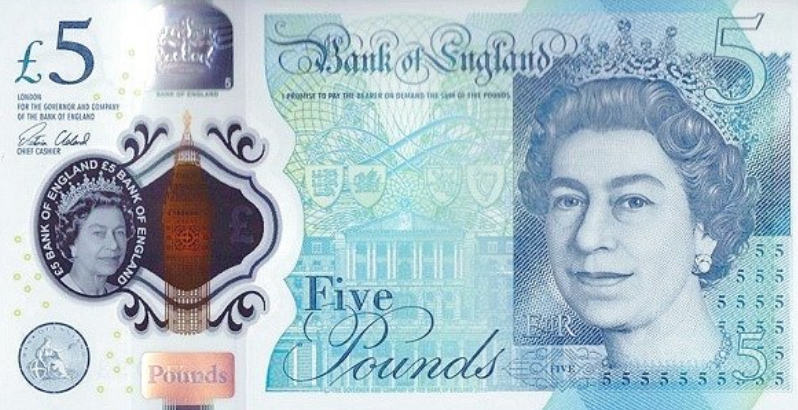
[1 GBP = 1.26 USD]
Since sometime about the year 800, the British Pound Sterling has been around, making it the oldest currency that is still in use today. It is also referred to as sterling, or the pound sterling, a term whose etymological roots may be traced back to Old English. The United Kingdom has a highly developed economy, and London has emerged as a major financial center, both of which have contributed to the rise of the British pound as one of the most powerful currencies in the world.
The exchange rate of this currency relative to the US dollar is known as the cable, and it continues to be one of the most powerful and extensively used currencies in the world.
4. The Jordanian Dinar (JOD)
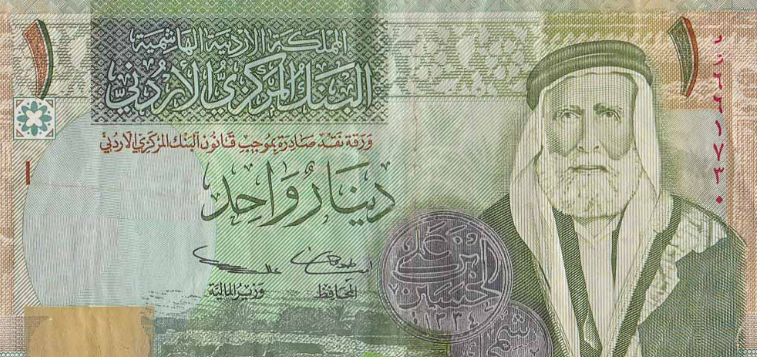
[1 JOD = 1.41 USD]
Since 1950, when it replaced the Palestinian Pound as the primary currency of Jordan, the Jordanian Dinar has served as the country's primary currency. The Jordanian Dinar is currently tied to the US dollar to this day.
The price of oil is the primary factor that determines the value of the Jordanian dinar; nevertheless, the value of the dinar is partly due to the Jordanian government's strategy of maintaining a high level of control over exchange rates. Despite this, economic activity in Jordan has been declining, which might lead to a depreciation of the currency in the years to come.
3. Omani Rial (OMR)
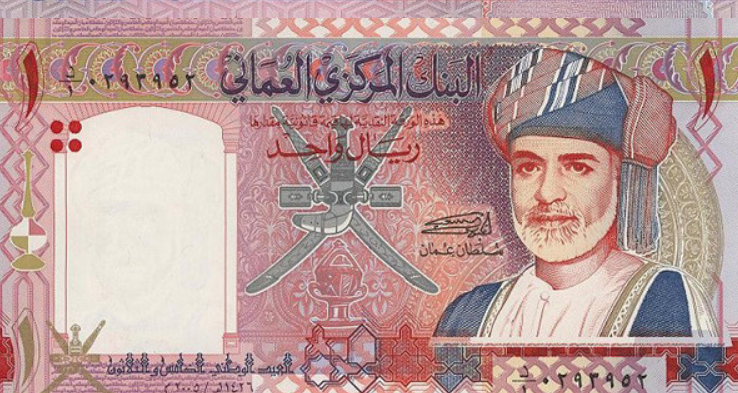
[1 OMR = 2.6 USD]
It was first used in 1970 and given the name "Saidi Rial" in honor of the sultanate of Oman, which was known as "The House of Al Said." However, after the Omani coup d'état in 1970, the currency was restored the following year as the Omani Rial and maintained its previous value in terms of its exchange rate.
The enormous oil reserves contribute significantly to the value of this currency. In the previous several decades, Oman has also made significant efforts to modernize the nation and to diversify the revenue of the country, therefore changing it into a powerful, developed economy with a very high level of life.
2. The Bahraini Dinar (BHD)
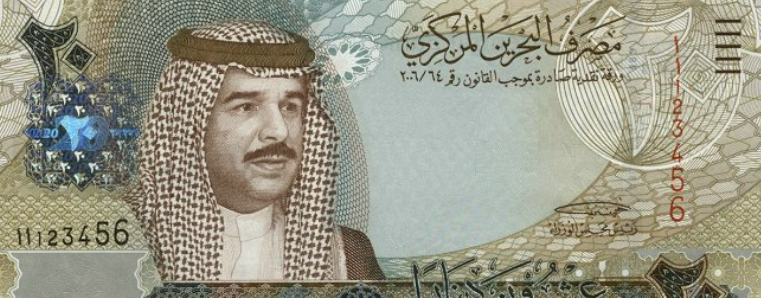
[1 BHD = 2.65 USD]
Bahrain is located farther south in the Persian Gulf, and it is the home of the Bahraini Dinar, which is the world's second-strongest currency. The oil reserves in the kingdom of Bahrain are the primary contributor to the country's high level of wealth, which accounts for more than 85 percent of the GDP. This is similar to the situation in Kuwait.
In addition, the Bahraini Dinar has a privileged position inside the country of Bahrain. The Riyal, the currency of Saudi Arabia, may be used in Bahrain, although the Bahraini Dollar is not recognized as a currency there.
1. Kuwaiti Dinar (KWD)
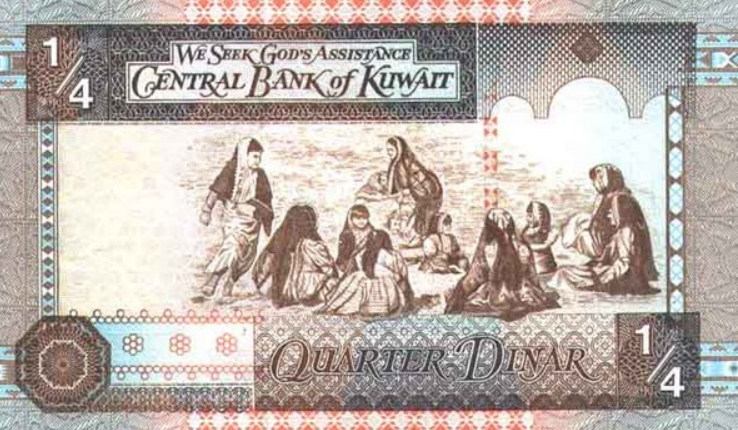
[1 KWD = 3.24 USD]
The Kuwaiti dinar is often regarded as the most robust currency in use today. It was originally pegged at a rate of exchange that was identical to that of the British Pound Sterling (GBP) when it was first introduced in 1960, the same year that the nation gained its independence from British sovereignty.
After Iraq's invasion of Kuwait in 1990, the Iraqi Dinar temporarily replaced it. However, it was reinstated after their liberation, and due to the theft of a huge amount of banknotes, the previous version of the Kuwaiti Dinar was demonetized, and a new version was established.
Since then, the value of this currency has risen to the top rank, which was made possible by the country's huge oil reserves (which contribute 80% of the country's GDP), absence of income tax, and comparatively low unemployment rate. Additionally, Kuwait has a considerable number of expats, who make up more than 60 percent of the total population.
Conclusion
These are the 20 currencies that have the greatest value in the world. However, the purpose of the list that was just shown is to offer a basic notion; it is possible that it does not represent the most recent changes since currency exchange rates are never stable and are instead sensitive to many different sorts of economic shocks.
The material that is shown above has been rigorously selected making use of well recognized information sources; yet, even these sources may face difficulties such as sluggish data or erroneous inputs.
In addition, please be aware that nations whose currencies are tied to the U.S. dollar or the British pound are not included since they provide nothing of value; they only occupy space. Those who want such information could instead examine the exchange rates of their primary currencies.


Trending Articles
- Who Is Andrew Tate and Why Is He Famous? 10 Things to Know the Controversial Influencer
Discover who is Andrew Tate and why he's making waves in the digital sphere. Uncover 10 intriguing facts about this controversial influencer, his journey, and his impact on the online world.
2024-03-01 TOPONE Markets Analyst - Andrew Tate Net Worth 2024: Is the Internet's Most Controversial Man Worth $800 Million?
Explore the enigmatic Andrew Tate's net worth and delve into the controversies surrounding the internet's most polarizing figure. Is he truly worth $800 million? Uncover the truth behind his wealth and reputation here.
2024-02-23 TOPONE Markets Analyst - 20 Strongest Currencies in the World in 2024
Want to know the strongest currencies in the world in 2024? Here are the list for you!
2024-01-30 TOPONE Markets Analyst - Falling Wedge Pattern: The Ultimate Guide
A falling wedge is a bullish pattern characterized by a wide top and shrinking bottom. It is an extremely bullish pattern in a trading market.
2023-09-25 TOPONE Markets Analyst

 Bonus!
Bonus rebate to help investors grow in the trading world!