English






The Wealth Code in Disaster: The Market Gold-Mining Tactics Behind the California Wildfires!
The California wildfires are a market crisis, but also an opportunity. Investors need to be calm and rational, make precise arrangements and strictly control risks in order to achieve steady value-added amid turbulence.

 11482
11482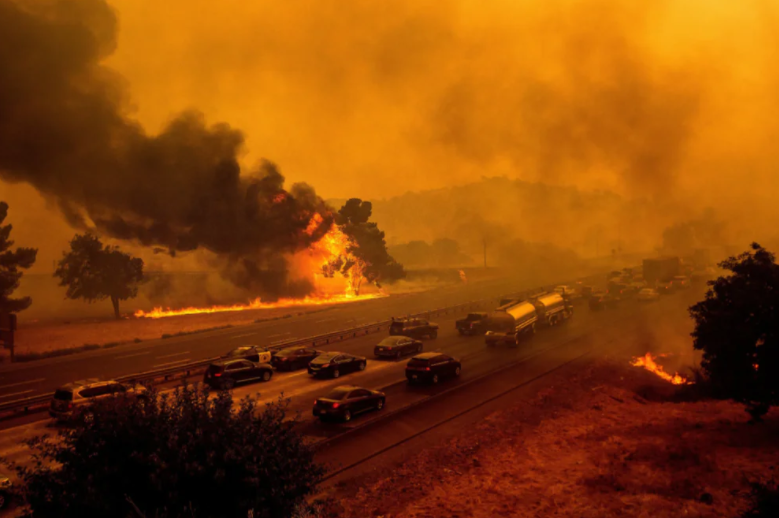
Ⅰ. Current Status of California Wildfires & Market Impact
Overview of the fire
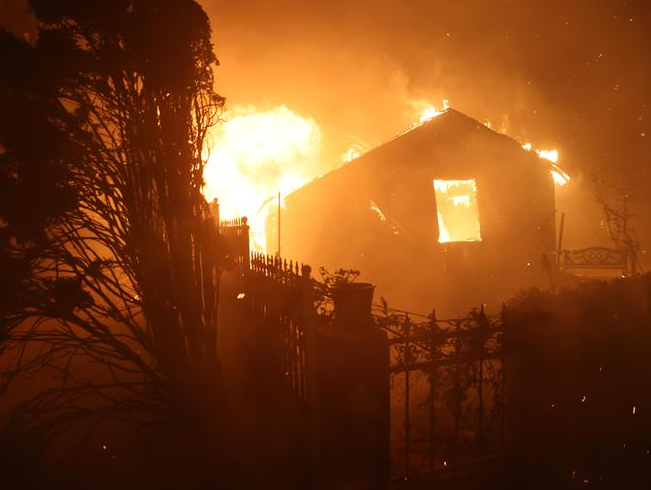
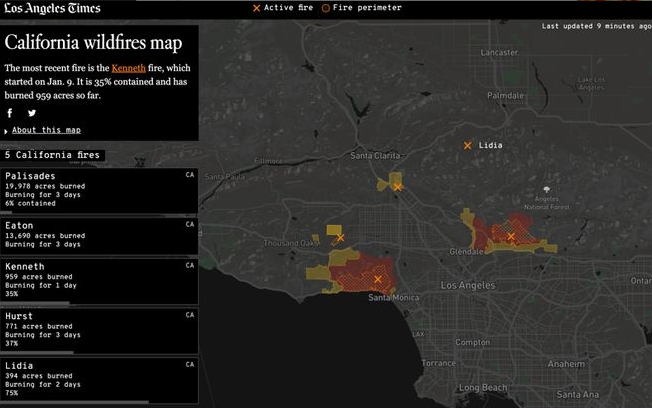
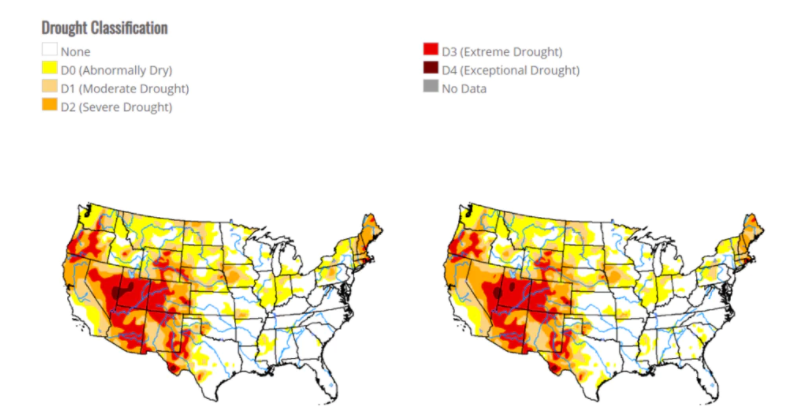
Since January 7, 2025, the number of wildfires in Los Angeles County, California has rapidly increased to 6, approaching the Avenue of Stars. At present, about 180,000 residents have been evacuated and thousands of buildings have been destroyed. The death statistics remain at 5, but officials said that "more deaths are expected to be found in the ruins."
The California Department of Forestry and Fire Protection reported on the morning of the 9th that the total burned area of 5 dangerous wildfires exceeded 117 square kilometers. The most serious "Palisades Fire" and "Eaton Fire" have not been effectively controlled.
Economic Losses
According to the latest data from the California Disaster Relief Department on the 12th, the wildfire has caused 24 deaths and 16 missing persons. The total burned area has exceeded 160 square kilometers, which is larger than the area of San Francisco. This fire is considered the "most destructive fire" in the history of Los Angeles. It has destroyed more than 1,000 houses and caused hundreds of thousands of people to evacuate urgently.
According to AccuWeather's estimates, the total economic losses from wildfires could be as high as $52 billion to $57 billion, including insurance losses, cleanup and emergency management costs. JPMorgan Chase estimates that the insurance losses from this wildfire may exceed $20 billion, far exceeding the $12.5 billion of the "Camp Fire" in 2018, and may become the most expensive fire in California.
Impact on Social Life
The fire has had a serious impact on local residents' lives, infrastructure, business operations, tourism and other industries. At least 100,000 residents in Los Angeles have been evacuated urgently due to threats, some schools have been temporarily closed, and local landmarks and tourist attractions have also been affected.
Due to the destruction of a large amount of infrastructure, reconstruction work is expected to take several years to complete. During this period, how to properly resettle the victims and restore basic living order has become an urgent problem to be solved.
Ⅱ. Market Investment Opportunities in Different Industries
Insurance Industry
Short-term pressure
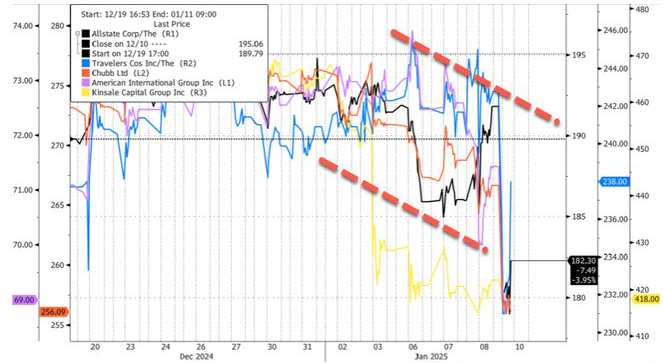
Insurance companies are under financial pressure due to the huge insurance claims they have to bear. The stock prices of some insurance companies have plummeted. For example, Allstate's stock price once fell by more than 7%, Chubb once fell by more than 5.4%, AIG once fell by nearly 3.1%, and Travelers once fell by nearly 4.5%.
Long-term opportunities
In the long run, the insurance industry has achieved growth by increasing premiums and prudent business selection. Related insurance stocks have performed well, and the increase in reinsurance demand has also driven the rise of some insurance stocks.
Investors can pay attention to leading stocks in the insurance industry and reinsurance-related stocks, buy on dips when the market adjusts, and wait for the benefits brought by the industry recovery.
Infrastructure Reconstruction-related Industries
Building materials and home furnishing industry
Post-disaster infrastructure reconstruction will increase demand for building materials and home furnishing products. Companies such as Home Depot and Lowe's are expected to benefit, and their revenue expectations are expected to improve.
Construction industry
Construction companies involved in post-disaster reconstruction may receive a large number of orders, thereby driving business development and stock price increases.
Investors can plan ahead for high-quality stocks in the building materials, home furnishing and construction industries, pay attention to the order situation and performance expectations of related companies, and seize the opportunity of rising stock prices.
Energy industry
Energy supply disrupted
Fires may damage oil production facilities, transportation pipelines, etc., affect crude oil supply, and push up crude oil futures prices. At the same time, post-disaster reconstruction and other activities will also increase energy demand.
New energy opportunities
Under the condition of limited traditional energy supply, the use of new energy such as solar energy and wind energy may receive more attention and investment. Related companies are expected to usher in development opportunities.
Investors can pay attention to investment opportunities in crude oil futures and related energy stocks, and at the same time plan high-quality companies in the new energy field to share the dividends brought by energy transformation.
Agricultural Products Industry
Supply reduction expectations
California is an important agricultural production area in the United States. The fire burned farmland and crops, resulting in a decline in agricultural product production expectations, which in turn pushed up the futures prices of agricultural products such as wheat, corn, and soybeans.
Investment strategy
Investors can participate in agricultural futures trading, or invest in the stocks of related agricultural companies, and seize the investment returns brought by rising agricultural product prices.
Forest Products Industry
Reduced wood supply
The fire burned a large amount of forest land, resulting in a reduction in the supply of forest products such as wood. This may lead to an increase in the futures prices of forest products such as pulp.
Investment strategy
Investors can pay attention to the forest product futures market, or invest in the stocks of forestry planting and processing companies, looking for investment opportunities in the context of tight wood supply.
Ⅲ. Methods & Strategies for Investors
1. News-driven Investment
Getting and interpreting information
Investors need to pay close attention to market news, company announcements, industry dynamics and other information related to the California wildfires, and obtain first-hand information in a timely manner in order to make accurate investment decisions.
Case analysis
Take stock investment as an example. Investors can shape a strong stock price pattern through news interpretation and capital operation, thereby gaining benefits.
2. Emotional & Trend investment
Grasp market sentiment
By analyzing the market panic caused by the California wildfires and the subsequent optimistic mood shift, investors can use the fluctuations in market sentiment to conduct reverse operations and buy low and sell high.
Go with the trend
Choose stocks with strong trends, leading positions or potential explosive power, and invest in line with market trends. For example, investors who make a living by stock speculation generally tend to choose strong stocks to follow market trends and obtain excess returns.
3. Risk-free Arbitrage & Precise Analysis Investment
Arbitrage opportunities
Under the influence of the California wildfires, price differences or market pricing errors may occur between different markets. Investors can obtain risk-free returns through arbitrage operations.
In-depth analysis
Some investors use in-depth analysis and prediction of market trends, company fundamentals or macroeconomics to obtain excess returns in their investments. For example, market trends and stock prices are predicted through mathematical models, algorithms and statistical analysis.
4. Fund Management & Risk Control
Reasonable allocation of funds
Investors need to avoid all-or-nothing, maintain the stability of the investment portfolio, improve the overall level of returns, and reduce the risks of a single stock through diversified investment.
Strict stop loss and stop profit
For each transaction, a strict stop loss point must be set. Once the stock price falls below the preset stop loss line, the decision to sell must be resolutely executed to control the risk. At the same time, a reasonable stop profit target must be set to lock in profits.
IV. Investment Cases & Practical Suggestions
Successful investment case studies
1. Insurance stock investment cases
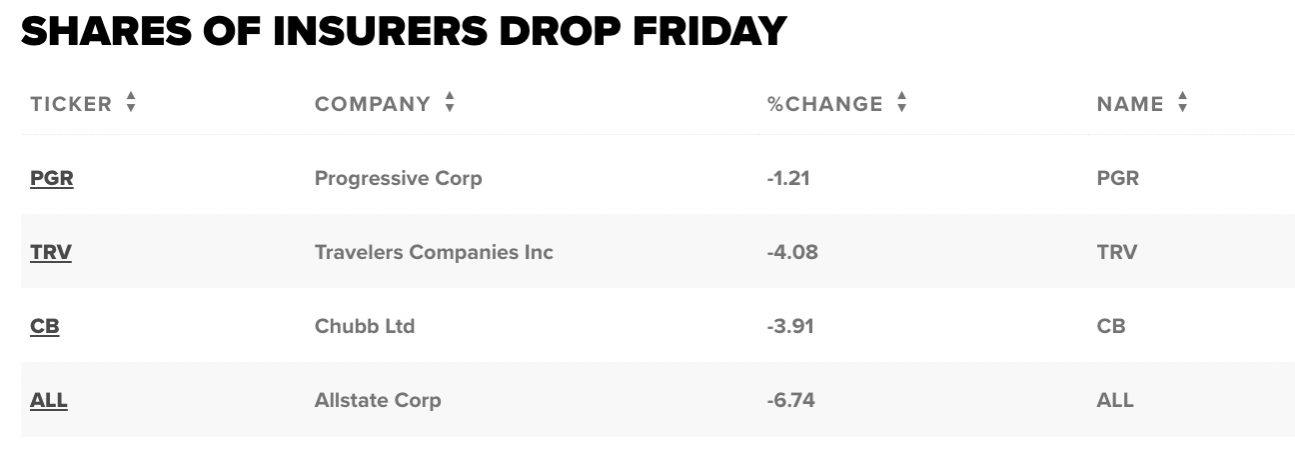
Short-term pressure and long-term opportunities: In similar disaster events, insurance companies have to bear huge insurance claims. Their financial situation is under pressure, and the stock prices of some insurance companies have plummeted. However, in the long run, the insurance industry will achieve growth by increasing premiums and carefully selecting businesses. Related insurance stocks have performed well, and the increase in reinsurance demand has also driven the rise of some insurance stocks.
Investment strategy: Investors can pay attention to leading stocks in the insurance industry and reinsurance-related stocks. Buy on dips when the market adjusts and wait for the benefits brought by the industry recovery.
2. Other theme stock investment cases
Infrastructure reconstruction related industries: Post-disaster infrastructure reconstruction will increase demand for building materials and home products. Companies such as Home Depot and Lowe's are expected to benefit, and their revenue expectations are expected to improve.
Energy industry: Fires may damage oil production facilities, transportation pipelines, etc., affect crude oil supply, and drive up crude oil futures prices. At the same time, post-disaster reconstruction and other activities will also increase energy demand, and the use of new energy such as solar energy and wind energy may receive more attention and investment. Related enterprises are expected to usher in development opportunities.
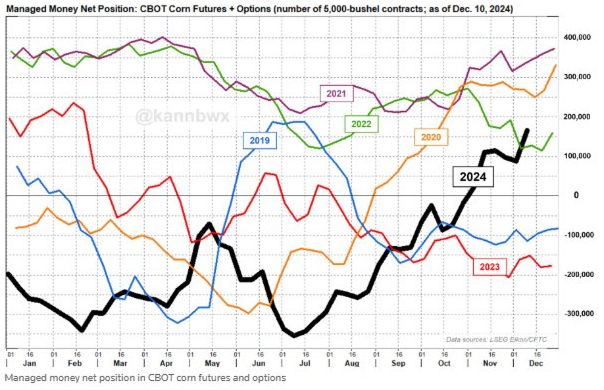
Agricultural products industry: California is an important agricultural production area in the United States. The fire burned farmland and crops, resulting in a decline in expected agricultural product output. This in turn pushed up the futures prices of agricultural products such as wheat, corn, and soybeans.
Forest products industry: The fire burned a large amount of forest land, resulting in a reduction in the supply of forest products such as wood, which may lead to an increase in the futures prices of forest products such as pulp.
Practical suggestions
1. Information collection and analysis
Establish diversified information collection channels. Including news media, industry reports, company announcements, etc., regularly sort out and analyze information to form your own investment views.
2. Investment timing grasp
Patiently wait for clear market structure signals and investment opportunities. Avoid blindly following the trend, combine market sentiment and technical analysis, and accurately grasp the buying and selling opportunities.
3. Continuous learning and reflection
Continuously learn new investment knowledge and skills. Pay attention to the evolution of market dynamics and investment strategies, adjust your investment ideas and methods in a timely manner, summarize experience and lessons, and improve investment levels.
4. Master more investment tools
For example, the most popular CFD trading has many advantages over traditional stock investment, including:
· Two-way trading : You can buy long positions or sell short positions. This means that investors can make profits when the market rises or falls, such as the insurance stock plunge we just mentioned.
· Leverage effect : Through leverage, investors can control larger positions with smaller funds and amplify profit potential. For example, with a leverage of 30:1, you only need to pay one thousand dollars to make a transaction of thirty thousand dollars. When investing in this way, we can double our returns.
· Diversified asset selection : CFD trading covers a variety of assets such as stocks, foreign exchange, indices, futures, precious metals, etc., providing great investment flexibility and diversified options. Therefore, we can invest in all industries and fields covered by the California wildfires.
· Low transaction costs : CFD trading has no stamp duty or transfer fees, and the transaction costs are relatively low. Therefore, when trading and investing, it can greatly reduce our investment costs.
V. Conclusion
Although the California wildfires are a disaster, they have also spawned diversified investment opportunities in the market. Investors can use strategies such as news-driven, sentiment and trend grasp, risk-free arbitrage, and precise analysis to find ways to make money in this market change.
At the same time, we should also choose investment products that are more suitable for us. In this market fog full of uncertainty, investors must also remain sober and calm, carefully plan investment paths, and strictly guard against risks. Only in this way can we steadily sail to the other side of asset appreciation in the turbulent market waves.


Trending Articles
- 25 Richest People in the World in 2023
Compared with last year, these 25 richest people are $200 billion poorer than last year, but still worth $2.1 trillion.
2024-01-30 TOPONE Markets Analyst - Best Stocks for Covered Calls in 2024
A covered call strategy deploys by traders who wish to hold the stock in the future and minimize the risk by selling its call option. This guide will help you to find out the best stocks for covered calls.
2024-01-20 TOPONE Markets Analyst - 20 Most Recognized Brands in the World in 2024
The financial success of a corporation is frequently determined by its brand. Here, we'll walk you through the world's top 20 most recognizable businesses and how you can invest in their stock.
2024-01-05 TOPONE Markets Analyst - 10 Biggest Short Squeezes in History
Short Squeeze plays a vital role in short-term traders who randomly decide to reduce losses and leave their positions.
2023-10-20 TOPONE Markets Analyst

 Bonus!

Bonus rebate to help investors grow in the trading world!