 English


 English


SpaceX Stock, Three Months In: Back Near the IPO Price After a Round Trip to $2.1 Trillion

SpaceX (NASDAQ: SPCX) has been a public company since June 12, 2026, when it completed the largest IPO in history, raising $85.7 billion at $135 per share and valuing the company at $1.77 trillion. The stock closed its first day up 19% near $161, ran as high as $225.64, fell to roughly $108 in early August, and as of September 28 traded around $147–148, just above its offer price. Starlink remains the only reliably profitable segment; the rocket business and the newer AI infrastructure push are the growth and loss drivers. With staggered lockup expirations running through year-end and Musk's own shares locked until roughly mid-2027, supply from insiders — not the fundamentals — has been the main force keeping the stock range-bound since its post-IPO peak.
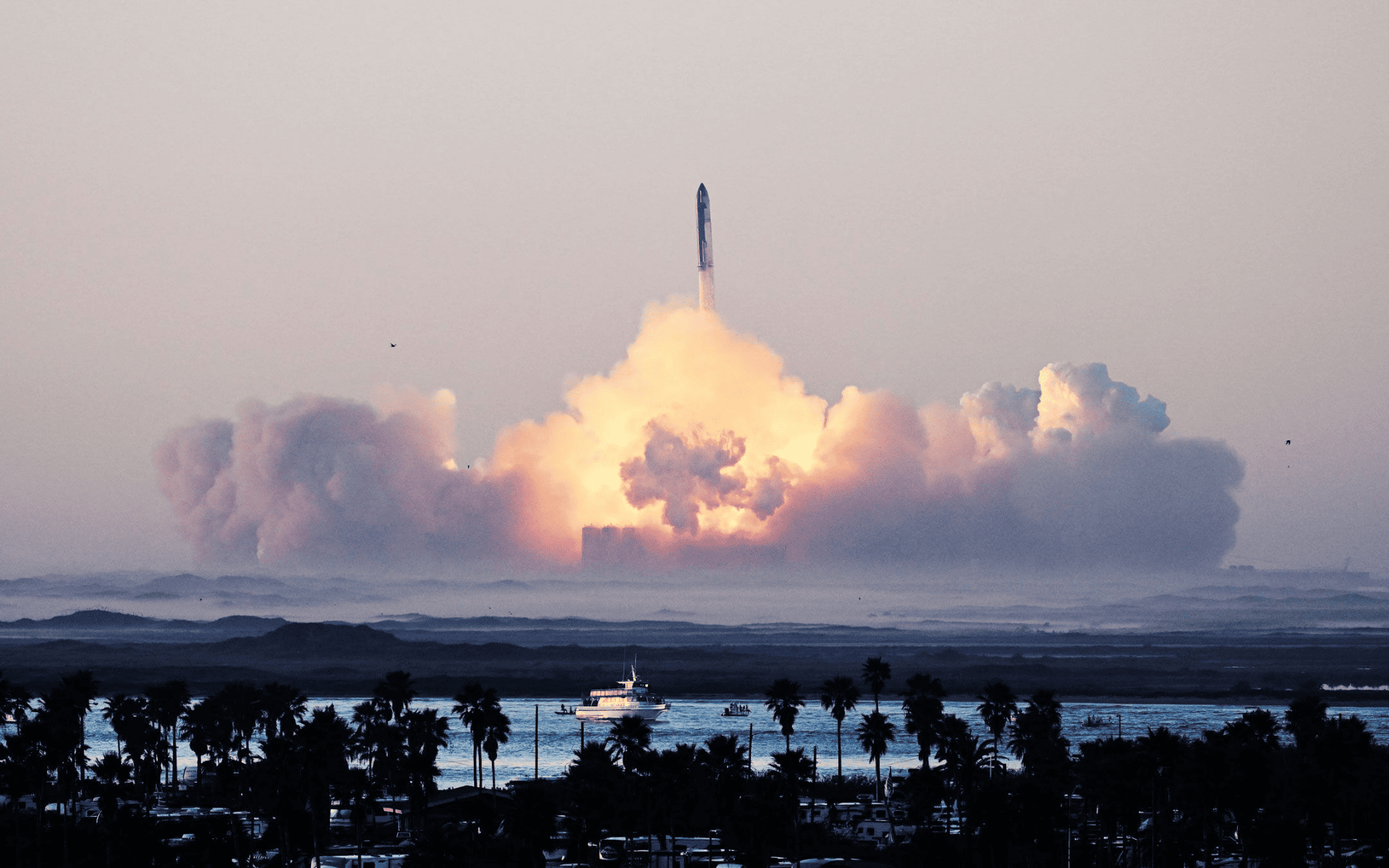
From Private Rocket Company to $2 Trillion Public Stock
SpaceX's listing was unusual from the start. The company sold 555,555,555 Class A shares at $135, targeting a $75 billion raise and a $1.77 trillion valuation, with an institution-to-retail allocation ratio of 70:30 — a retail-friendly split for a deal this size, since large IPOs typically reserve the bulk of shares for institutions. With the greenshoe option of 83,333,333 additional shares exercised, total proceeds reached roughly $85.7 billion. Shares opened at $150 on June 12, an 11% premium to the IPO price, and closed the first day at $160.95, up about 19%, putting SpaceX's market capitalization briefly above Tesla's and, according to multiple reports at the time, making Elon Musk the world's first trillionaire on paper.
The structure gives Musk durable control regardless of how the stock trades. Class B shares carry 10 votes each, and post-IPO voting power sits at 82–85% in Musk's hands, with a 366-day lockup on his and other insiders' shares and a staggered 180-day lockup for other pre-IPO investors. That structure matters for anyone evaluating the stock: public shareholders have essentially no influence over strategy or capital allocation, and the float will keep expanding through scheduled unlock dates regardless of where the share price sits.
The Round Trip: $135 to $225 to $108 to $147
The stock's first three months on the market have been a case study in post-IPO volatility. After the initial 19% pop, shares kept climbing, reaching an all-time high of $225.64 within three trading sessions. That peak implied a valuation well above the IPO price, reflecting the kind of momentum-driven buying common in high-profile debuts before the market has real trading history or a full earnings cycle to anchor expectations.
The subsequent slide to around $108 in early August erased most of that premium, and shares have spent the weeks since consolidating back toward the IPO price rather than resuming the earlier rally. As of late September, SPCX traded around $147.28, with a 52-week range spanning $104.83 to $225.64. That range — a stock that has moved between roughly $105 and $226 within a single quarter of trading — tells you this is not a stock for investors who need low volatility, whatever the long-term business case turns out to be.
Why the First Earnings Report Didn't Stop the Slide
SpaceX's first quarterly report as a public company arrived on August 4, 2026, and by the numbers it was strong. Revenue of $7.814 billion grew 92% year over year, beating consensus estimates by about 14%, adjusted EBITDA of $3.5 billion roughly tripled year over year, and the net loss narrowed to $541 million from $1.01 billion a year earlier. On almost any conventional read, that is a beat-and-improve quarter.
The stock sold off anyway. Reported explanations point to Starlink subscriber additions of 12 million falling short of some informal "whisper" expectations, continued declines in average revenue per user, and a lockup expiration just two days after the report — a combination the source characterizes as investor positioning rather than a fundamental problem with the business. That distinction matters for how to read SpaceX going forward: the company's actual operating trajectory and its stock price have not always moved together in the first three months of trading, and lockup-driven supply appears to have been at least as influential as quarterly results.
What's Actually Driving the Business
SpaceX today is a three-part business, and the parts are at very different stages of maturity. Starlink, the satellite internet connectivity segment, is the one part that reliably makes money — the company's user-provided figures describe roughly $11.4 billion in 2025 revenue and about a 63% EBITDA margin, with more than 10 million subscribers across over 160 countries and territories. That scale and margin profile is what underwrites the bull case for the stock as something more durable than a speculative rocket company: Starlink functions as a global telecom business with rocket-launch capability as a structural advantage rather than the primary product.
The launch business remains centered on Falcon 9, which dominates global commercial launch volume, while Starship is still in its flight-test phase — and the pace and reliability of Starship's progress toward operational status is one of the clearer catalysts likely to move the stock in either direction over the next year. The newest piece is AI infrastructure, built around large compute agreements with partners including Anthropic and Google, following SpaceX's early-2026 combination with xAI. This segment is currently the fastest-growing part of the business by revenue trajectory, and also the primary source of both losses and capital expenditure — a pattern familiar from other AI-infrastructure buildouts, where near-term cash burn funds capacity that only pays off if contracted demand materializes on schedule.
The Supply Overhang: Lockups Through Year-End
The single biggest technical factor shaping SPCX's price action has been the scheduled release of previously locked shares. Free float at listing was extremely thin — around 5% of shares outstanding — which is part of why the stock moved so sharply in its early sessions on relatively modest trading volume. Since then, tranches of insider and early-investor shares have unlocked on a staggered schedule, with releases occurring around August, more scheduled through year-end, and Musk's own roughly 6.4 billion locked shares not freed until around mid-2027 under the 366-day lockup terms.
Each unlock event effectively increases the pool of shares available for sale, and if a meaningful share of unlocking holders choose to realize gains or reduce concentration risk, that selling pressure can outweigh whatever the underlying business is doing in a given week. This is a standard dynamic for any large IPO with a thin initial float, but it's particularly relevant for SpaceX given how extreme the float compression was at listing.
Index Inclusion and What It Means for Demand
SpaceX moved into the Nasdaq-100 within 15 trading days of its listing and the CRSP US Total Market Index within five trading days, triggering what one industry estimate placed at $15–20 billion in structural buying from index funds tracking those benchmarks — demand that is mechanical rather than discretionary, since index funds must hold constituent stocks regardless of valuation opinion. S&P 500 inclusion has not yet occurred, constrained by the index's profitability and float requirements; SpaceX's current net losses and thin public float would need to change before that becomes a realistic near-term prospect, and that eventual inclusion — if it happens — would represent another wave of mechanical index-driven demand.
What Analysts and the Market Are Debating
The average 12-month analyst price target is around $222, with a high estimate of $450 and a low of $140 — an unusually wide range that reflects genuine disagreement about what kind of company SpaceX actually is for valuation purposes: a space and launch company, a global connectivity business built on Starlink, or an AI infrastructure play riding the same capital-intensive buildout theme as other neoclouds. Coverage on the stock only began after the June IPO, so this analyst base has limited history forecasting the company and limited data to calibrate against, which likely contributes to the spread.
Conclusion
SpaceX's dual-class structure means public shareholders have essentially no influence over corporate decisions regardless of stock performance, a governance risk distinct from ordinary business risk. The company remains unprofitable at the net-income level despite Starlink's strong margins, and the AI infrastructure segment's current losses depend on compute demand and contract execution that have not yet been tested through a full cycle. Scheduled lockup expirations continue through the end of 2026, and each release event has historically coincided with share-price weakness; further unlocks could pressure the stock independent of operating results. Starship's flight-test progress remains a binary-type catalyst — continued setbacks would weigh on the narrative that SpaceX's launch business justifies part of its premium valuation, while successful milestones could do the opposite. Given the stock's short trading history, current technical indicators reported by some platforms lean bearish, though such signals carry limited predictive value for a stock this newly listed and this thinly covered.
FAQ
How do I buy SpaceX stock?
SpaceX trades publicly on the Nasdaq under the ticker SPCX and can be purchased through any US brokerage account with access to US equities, the same as any other listed stock — no special allocation or accreditation is required post-IPO.
Why has SpaceX stock fallen from its post-IPO high?
Shares peaked near $225.64 within days of listing, then fell to around $108 in early August before recovering toward the IPO price of $135; the decline has been attributed mainly to lockup-related share supply and softer-than-hoped subscriber growth signals rather than to weak underlying financial results.
Is SpaceX profitable?
Not overall. Starlink is the company's reliably profitable segment, with roughly a 63% EBITDA margin on 2025 figures, but the combined company still reported a net loss in its first quarterly report as a public company, narrowing from the prior year but not yet positive.
When do SpaceX's IPO lockups expire?
Other pre-IPO investors face a staggered 180-day lockup with releases occurring through the second half of 2026, while Elon Musk's own shares are locked for 366 days, until roughly mid-2027.


Risk Warning: Trading financial instruments involves significant risk and may result in the loss of your invested capital. Please ensure you fully understand the risks and seek independent professional advice if necessary. This article does not constitute investment advice or a trading recommendation. Past performance is not indicative of future results.
Bonus rebate to help investors grow in the trading world!


